

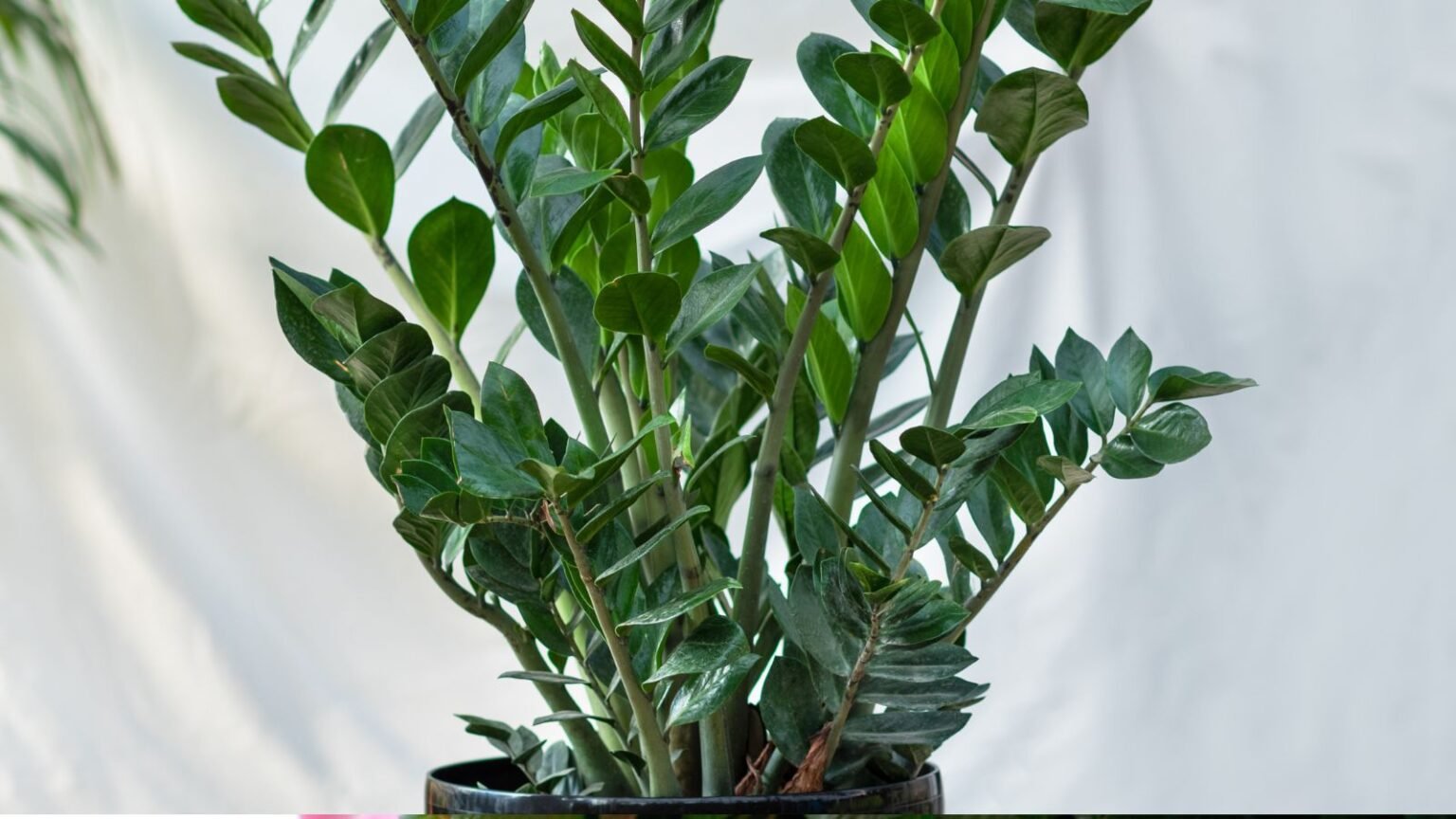
Zanzibar gem plants (Zamioculcas zamiifolia) are drought-tolerant, low-maintenance houseplants prized for their glossy, dark green foliage and exceptional resilience. They thrive in indirect light, require infrequent watering, and grow well in well-draining soil — making them ideal for beginners and busy home owners alike.
Few houseplants earn the reputation that the Zanzibar gem has built over the past two decades. Once a niche find in specialty nurseries, the ZZ plant now sits confidently on shelves from IKEA to independent garden centers, and for good reason. It survives neglect, tolerates low light, and still manages to look polished enough to anchor a living room corner or brighten a home office desk.
But popularity comes with confusion. Browse any plant forum and you’ll find the same names recycled interchangeably — ZZ plant, zee zee plant, zuzu plant, zamioculcas, zamioculcas zamiifolia — each referring to the same species, yet each carrying slightly different expectations among growers.
This guide cuts through the noise. Whether you’re planting your first Zanzibar gem or troubleshooting a struggling specimen, you’ll find everything you need here: variety breakdowns, step-by-step planting instructions, a complete care calendar, overwintering tips, and answers to the most common questions growers ask. By the end, you’ll have the confidence to grow a thriving ZZ plant in virtually any home environment.
[📷 Image suggestion: A lush Zanzibar gem plant in a white ceramic pot on a wooden shelf. Alt text: “Zanzibar gem plant (Zamioculcas zamiifolia) in a white pot indoors.” Caption: “The Zanzibar gem plant is one of the most resilient and stylish houseplants for modern interiors.”]
Zanzibar Gem vs. ZZ Plant vs. Zamioculcas Zamiifolia: What’s the Difference?
Before diving into care, it helps to understand why this plant carries so many names — and why that matters for your searches and purchases.
Zamioculcas zamiifolia is the scientific (Latin) name, assigned by Danish botanist Heinrich Wilhelm Schott in 1856. The species belongs to the Araceae family, the same family as peace lilies and philodendrons.
The common name Zanzibar gem comes from the plant’s native range: the coastal regions of eastern Africa, including Zanzibar, Kenya, and Zimbabwe. The shortened ZZ plant emerged as an easy pronunciation substitute for Zamioculcas zamiifolia, and has since become the dominant retail name in North America and Australia.
Zee zee plant and zuzu plant are phonetic variations of the same abbreviation — you’ll hear them used interchangeably depending on region. Zamioculca (without the final “s”) is simply a grammatical shorthand used in some gardening communities.
The bottom line: every name on this list — Zanzibar gem plants, zz plant, zz plants, zamioculcas zamiifolia, zee zee plant, zuzu plant, zamioculca — refers to the same species. Knowing this prevents confusion when shopping, especially online.
Explore more houseplant guides and gardening tips at Flight Homes to build a complete indoor garden.
Popular Varieties of Zanzibar Gem Plants
The classic Zanzibar gem plant features dark, waxy green leaves arranged along arching stems that emerge from thick underground rhizomes. Beyond the standard cultivar, several varieties have captured grower attention:
Standard Zamioculcas Zamiifolia
The original variety. Stems grow upright and arching, reaching 2–3 feet tall indoors. Leaflets are oval, deeply glossy, and arranged pinnately along each stem. This is the version most commonly sold in garden centers.
Black ZZ Plant (Zamioculcas zamiifolia ‘Raven’)
The black ZZ plant, sold under the cultivar name ‘Raven’, is a dramatic variation that develops near-black foliage as it matures. New growth emerges bright green before darkening to a deep, almost-black purple. The black ZZ plant has become a sought-after choice for modern interiors because of its striking contrast against light walls and minimalist décor.
Zamicro (Dwarf ZZ Plant)
A compact cultivar that stays smaller than the standard variety, making it well suited for desk surfaces, bookshelves, and terrariums. Leaflets are smaller and more densely packed.
Lucky Classic
A broader, fuller variety with wider leaflets. Often marketed under the name “Lucky Classic” or “Zenzi,” this cultivar tends to stay more compact while still maintaining the signature glossy look.
Each variety shares the same fundamental care requirements, so the guidance throughout this article applies to all cultivars including the black ZZ plant.
[📷 Image suggestion: Side-by-side comparison of a standard ZZ plant and a Black ZZ (‘Raven’) plant. Alt text: “Standard Zanzibar gem plant next to a Black ZZ plant ‘Raven’ variety.” Caption: “The Black ZZ plant ‘Raven’ cultivar (right) develops dramatically dark foliage as it matures.”]
How to Plant Zanzibar Gem: Step-by-Step Guide
What you’ll need:
- A healthy ZZ plant or rhizome cutting
- A pot with drainage holes (1–2 inches larger than the root ball)
- Well-draining potting mix (see soil section below)
- Perlite or coarse sand
- Gloves (ZZ plants contain calcium oxalate crystals — see toxicity section)
Step 1: Choose the right container
Select a pot with at least one drainage hole. Terra cotta pots are ideal because they allow moisture to evaporate through the walls, reducing overwatering risk. Avoid decorative pots without drainage unless using a nursery pot inside.
Step 2: Prepare the soil mix
Combine standard potting mix with 20–30% perlite or coarse sand. This creates the fast-draining environment that zamioculcas zamiifolia rhizomes need to stay healthy. Avoid dense, moisture-retaining mixes formulated for moisture-loving tropicals.
Step 3: Position the rhizome
Place the rhizome(s) in the center of the pot with the growing shoots pointing upward. Cover with soil, leaving the top of the rhizome just below the surface. Firm the soil gently without compacting it.
Step 4: Water sparingly after planting
Give the plant a light initial watering to settle the soil, then allow it to dry out before watering again. Overwatering during the establishment phase is the most common cause of rhizome rot.
Step 5: Place in indirect light
Move the newly planted ZZ plant to a location with bright-to-medium indirect light. Avoid direct sun, which can scorch the glossy leaflets.
For more guidance on setting up indoor plant spaces in your home, visit Flight Homes’ gardening section.
Zanzibar Gem Care: The Complete Growing Guide
What light conditions do Zanzibar gem plants need?
Zanzibar gem plants are celebrated for their light adaptability. They tolerate low light better than almost any other popular houseplant — a trait that traces back to their native habitat beneath the dense tree canopy of eastern Africa.
Best conditions: Bright, indirect light (1–2 feet from a north- or east-facing window).
Acceptable conditions: Medium or low indirect light.
Avoid: Direct sunlight, especially from south- or west-facing windows, which causes leaf scorch and yellowing.
One important clarification: “tolerates low light” does not mean “thrives in no light.” ZZ plants in very dark rooms will grow slowly and may drop leaves over time. If your space receives very little natural light, consider supplementing with a grow light for 10–12 hours daily.
How often should you water a ZZ plant?
Overwatering is the single most common cause of ZZ plant death. The plant stores water in its thick underground rhizomes, which means it can go weeks — sometimes months — without irrigation.
General watering schedule:
- Spring and summer (active growth): Every 2–3 weeks
- Fall and winter (dormancy): Every 4–6 weeks
Always check the soil before watering. Insert a finger 2 inches into the soil — if it feels even slightly moist, wait. Water only when the top half of the soil is completely dry. When you do water, water thoroughly until it drains from the bottom, then empty the saucer to prevent standing water.
What is the best soil for Zanzibar gem plants?
Zanzibar gem plants require fast-draining soil. Standard potting mixes retain too much moisture for the rhizome-based root system and can lead to rot.
Recommended soil mix:
- 60–70% standard potting soil
- 20–30% perlite
- Optional: 10% coarse horticultural sand
Pre-mixed cactus and succulent blends also work well. Avoid peat-heavy mixes, which compress and retain moisture at the root level.
How and when should you fertilize a ZZ plant?
Zanzibar gem plants are light feeders. Over-fertilizing causes salt buildup in the soil, which burns roots and causes leaf tip browning.
Fertilizer schedule:
- Feed once a month during spring and summer with a balanced liquid fertilizer diluted to half strength (e.g., 10-10-10 NPK).
- Stop feeding entirely from October through February.
According to the Royal Horticultural Society, ZZ plants benefit from occasional feeding during active growth but require no fertilization during dormancy.
Temperature and humidity requirements for Zanzibar gem plants
ZZ plants are comfortable in the same temperature range that most homes maintain year-round.
Ideal temperature: 65–85°F (18–29°C)
Minimum temperature: 45°F (7°C) — below this, cold stress can damage rhizomes
Humidity: Low to moderate (40–60% relative humidity is ideal, but the plant tolerates drier air)
Avoid placing ZZ plants near heating vents, air conditioning units, or drafty windows. Sudden temperature fluctuations stress the plant and can trigger leaf drop.
How should you prune a Zanzibar gem plant?
ZZ plants require minimal pruning. Remove yellowed, damaged, or dead stems at the base using clean, sterile scissors or pruning shears. Cutting back healthy stems is generally unnecessary unless you’re managing size.
If a stem bends or breaks, cut it cleanly at the base. New stems will emerge from the rhizome when growing conditions are right.
[📷 Image suggestion: Close-up of ZZ plant stem base showing rhizomes partially visible above the soil line. Alt text: “Zamioculcas zamiifolia rhizomes at the base of the plant.” Caption: “ZZ plant rhizomes store water and nutrients, making Zanzibar gem plants highly drought-tolerant.”]
How to Overwinter a Zanzibar Gem Plant
Overwintering zanzibar gem plants indoors requires minimal intervention compared to many other tropicals. Because ZZ plants naturally enter a semi-dormant phase as light levels and temperatures drop, the primary adjustments are:
- Reduce watering frequency — move to once every 4–6 weeks, watering only when the soil is completely dry
- Stop fertilizing — halt feeding from October until late February or early March
- Move away from cold windows — glass surfaces near windows can drop significantly below room temperature on cold nights
- Maintain minimum temperature — keep the plant above 45°F (7°C) at all times
- Avoid supplemental heating near the plant — radiators and forced-air vents dry the soil unevenly and stress roots
ZZ plants kept outdoors in USDA hardiness zones below 9 must be brought inside before temperatures drop below 50°F (10°C). The plant is not frost-hardy.
Common Zanzibar Gem Problems and How to Fix Them
Why are my ZZ plant leaves turning yellow?
Yellow leaves are the most frequent complaint from ZZ plant growers, and overwatering is the cause in the majority of cases. Check the soil — if it’s wet or waterlogged, reduce watering frequency and improve drainage. Yellow leaves from underwatering are less common but do occur; in this case, the leaves will also feel dry and possibly curl.
Other causes of yellowing include:
- Root rot from consistently wet soil (check rhizomes for mushy, dark tissue)
- Direct sunlight exposure
- Natural aging (lower leaves yellow and drop as the plant grows)
Why is my ZZ plant drooping or leaning?
Drooping stems usually indicate overwatering or root rot. Remove the plant from its pot, inspect the rhizomes, and trim any soft or discolored sections with sterile scissors. Repot in fresh, well-draining soil.
Leaning toward a light source is phototropic behavior — normal and manageable by rotating the pot 90 degrees every few weeks.
Why does my ZZ plant have brown leaf tips?
Brown tips result from low humidity, fluoride in tap water, or fertilizer salt buildup. Switch to filtered or distilled water, flush the soil with plain water every few months to clear salt deposits, and mist occasionally if your indoor air is very dry.
What pests affect Zanzibar gem plants?
ZZ plants are relatively pest-resistant, but they can attract:
- Fungus gnats (from consistently moist soil — reduce watering)
- Spider mites (in very dry conditions — increase humidity)
- Mealybugs (treat with neem oil or isopropyl alcohol on a cotton swab)
For more home improvement tips and indoor plant care advice, explore Flight Homes.
Growing Zanzibar Gem Indoors: Tips for Every Room
Zanzibar gem plants adapt well to indoor environments that would challenge many other tropical species. A few placement strategies maximize their performance:
Living rooms: Position near a bright window but out of direct sun. The plant’s sculptural form and glossy foliage make it an excellent floor plant or statement piece on a console table.
Home offices: The low-light tolerance makes ZZ plants suitable for offices with limited natural light. According to a 2019 study published in the Journal of Physiological Anthropology, indoor plants in office environments are associated with reduced stress and improved attention — ZZ plants are among the lowest-maintenance options for this purpose.
Bedrooms: ZZ plants perform well in bedrooms with indirect light. They do not require humidity levels above what most bedrooms naturally maintain.
Bathrooms: A bathroom with a north-facing window is an ideal location — the slightly elevated humidity benefits the plant, and indirect light keeps foliage healthy.
[📷 Image suggestion: A ZZ plant displayed on a minimalist wooden console table with neutral décor. Alt text: “Zanzibar gem plant used as a decorative houseplant in a modern living room.” Caption: “Zanzibar gem plants make elegant statement pieces in living rooms, home offices, and entryways.”]
Zanzibar Gem in Pots, Containers, and Home Decor
The Zanzibar gem’s structural silhouette — arching stems, paired leaflets, and a low, spreading growth habit — translates beautifully across décor styles. Here’s how to display it effectively:
Pot selection: Terra cotta and matte ceramic pots complement the plant’s dark foliage without competing visually. White, charcoal, and earthy tones work particularly well. Avoid shiny or metallic finishes, which can clash with the plant’s natural, organic aesthetic.
Sizing: Choose a pot 1–2 inches larger than the root ball. ZZ plants prefer slightly snug conditions — too large a pot retains excess moisture and increases rot risk.
Grouping: Pair a standard ZZ plant with a black ZZ plant ‘Raven’ for dramatic contrast. Alternatively, group with other low-maintenance plants like snake plants, pothos, or cast iron plants for a cohesive, low-care indoor garden.
Styling: Use plant stands to elevate smaller ZZ plants, allowing the arching stems to cascade slightly. For larger specimens, floor placement in a statement planter creates an architectural focal point.
Explore home décor ideas and interior design inspiration at Flight Homes for more styling tips.
Zanzibar Gem Toxicity: What You Need to Know
Zanzibar gem plants contain calcium oxalate crystals, which are present throughout all parts of the plant — stems, leaves, and rhizomes. These crystals cause:
- Skin and eye irritation upon contact with sap
- Oral irritation, drooling, and gastrointestinal upset if ingested by pets or humans
The American Society for the Prevention of Cruelty to Animals (ASPCA) lists Zamioculcas zamiifolia as toxic to both cats and dogs. Keep ZZ plants out of reach of pets and small children, and wear gloves when repotting or pruning.
The toxicity risk from normal handling is low — ZZ plants do not release sap unless the tissue is broken. Wash hands thoroughly after handling.
For further reference on plant safety indoors, the ASPCA’s Animal Poison Control Center maintains a comprehensive database of toxic and non-toxic plants.
Frequently Asked Questions About Zanzibar Gem Plants
How fast do Zanzibar gem plants grow?
Zanzibar gem plants are slow to moderate growers. Under ideal conditions (bright indirect light, warm temperatures, and regular feeding during the growing season), expect 6–12 inches of new growth per year. Growth slows significantly in low light or during winter dormancy.
Can ZZ plants grow in water (hydroponics)?
Yes. ZZ plants can be propagated and grown in water for extended periods. Place a healthy cutting or leaf in a clean glass of water, change the water every 1–2 weeks, and roots will develop within 4–8 weeks. Long-term hydroponic growth is possible but requires a balanced liquid nutrient solution.
How do you propagate a Zanzibar gem plant?
ZZ plants can be propagated by three methods:
- Leaf cuttings — place a single leaf (with petiole attached) in soil or water; roots develop slowly over 3–9 months
- Stem cuttings — cut a stem with several leaflets, allow the cut end to callous, then plant in well-draining soil
- Rhizome division — when repotting, separate rhizomes by hand or with a sterile knife and pot individually
How often should you repot a Zanzibar gem plant?
Repot every 2–3 years, or when you notice roots emerging from the drainage holes or the soil drying out unusually fast. Choose a pot only 1–2 inches larger than the current one.
Is the Zanzibar gem plant the same as the ZZ plant?
Yes. Zanzibar gem plant, ZZ plant, zee zee plant, zuzu plant, and zamioculcas zamiifolia all refer to the same species: Zamioculcas zamiifolia. The different names reflect regional preferences and informal abbreviations of the scientific name.
Can Zanzibar gem plants survive outdoors?
ZZ plants can grow outdoors year-round in USDA hardiness zones 9–11, where temperatures remain above 45°F (7°C). In cooler climates, they can be moved outside during summer but must be brought indoors before the first frost.
Why is my ZZ plant not growing new shoots?
Slow or absent growth usually indicates insufficient light, dormancy (common in winter), or root-bound conditions. Check the root system, ensure the plant receives at least 6 hours of indirect light daily, and resume fertilization in spring to encourage new stem production.
Ready to Grow? Your Zanzibar Gem Journey Starts Here
The Zanzibar gem plant earns its reputation as one of the most dependable houseplants available — not through luck, but through genuine biological adaptations that suit it perfectly to modern home environments. Its drought tolerance, low-light resilience, and architectural beauty make it a practical and stylish choice for virtually any room.
Start with a single specimen in a well-draining pot, position it in indirect light, water it less than you think you should, and watch it reward you with steady, glossy growth for years.
For more home and garden inspiration, browse the full gardening category at Flight Homes. You might also enjoy our guides on indoor plant care and home improvement ideas or explore interior design tips for styling your plant collection.