

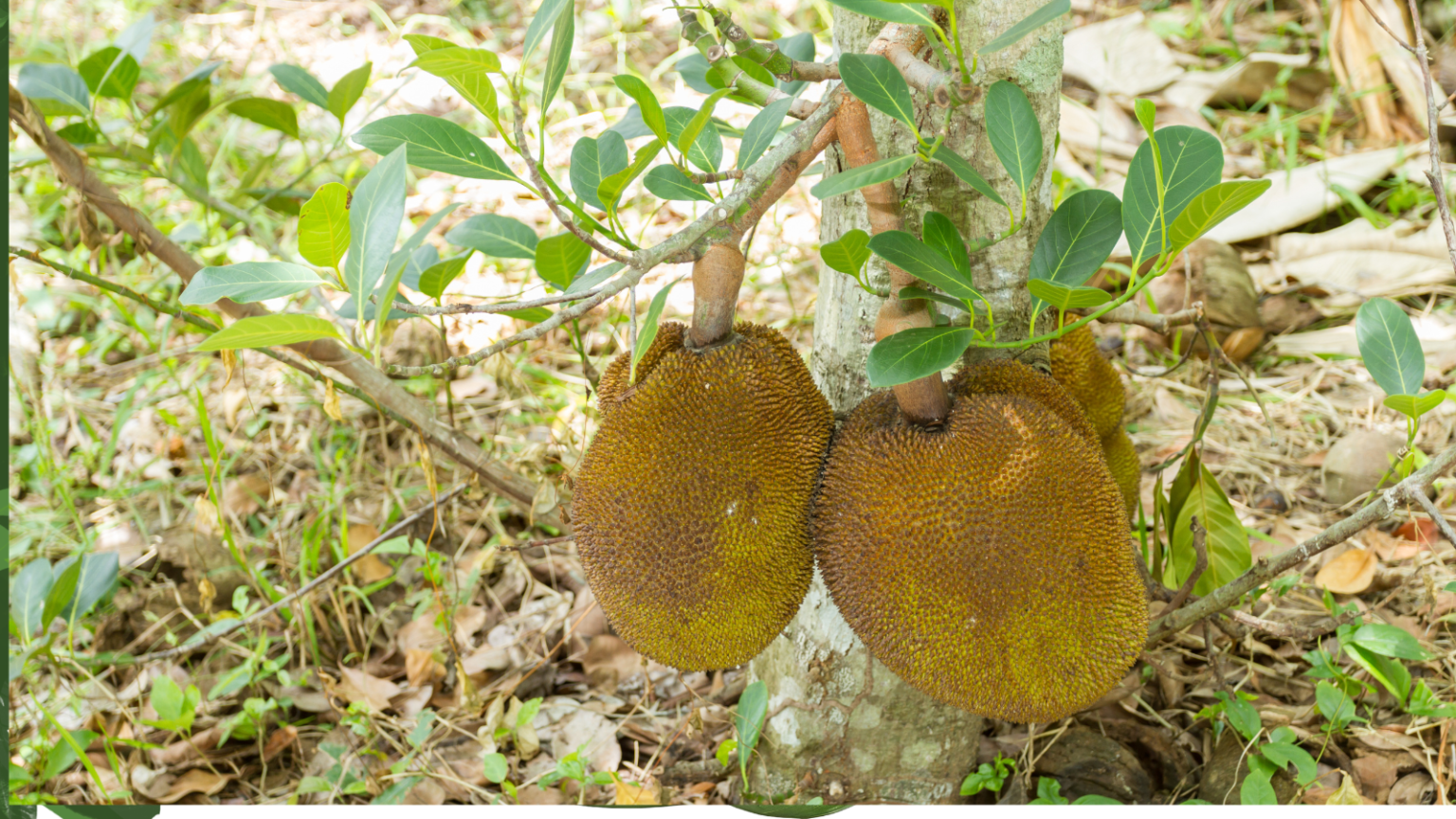
: The jackfruit plant (Artocarpus heterophyllus) is a tropical evergreen tree native to South Asia that produces the world’s largest tree-borne fruit. It thrives in warm climates, offers impressive nutritional benefits, and can be grown in containers or in-ground. This guide covers everything from care and cultivation to taste, nutrition, and cultural significance.
Few plants spark as much curiosity as the jackfruit plant. Walk through a tropical market in the Philippines, Sri Lanka, or Brazil, and you’ll likely spot an enormous, spiky fruit that looks almost too large to be real. That’s jackfruit—and the tree behind it is just as remarkable as the fruit itself.
Beyond its sheer size, the jackfruit plant has earned a serious following among home gardeners, health-conscious eaters, and plant-based food lovers alike. Its sweet, fibrous flesh works as a meat substitute when unripe and a tropical dessert when ripe. Its leaves, seeds, and bark carry medicinal value across multiple cultures. And its ability to grow in poor soil while producing hundreds of kilograms of food per year makes it one of the most productive fruit trees on the planet.
This guide covers everything you need to know about the jackfruit plant—from its scientific background and growth habits to step-by-step cultivation tips, common problems, and the cultural stories woven into its roots. Explore more gardening guides at Flight Homes for additional plant inspiration and tips.
What Is a Jackfruit Plant? (Overview, Scientific Name, and Origin)
The jackfruit plant belongs to the genus Artocarpus and carries the scientific name Artocarpus heterophyllus. It is a member of the Moraceae family—the same family as figs and mulberries.
Originally cultivated in the Western Ghats of India, the jackfruit plant spread across South and Southeast Asia thousands of years ago. Today, it grows widely across tropical regions including Bangladesh, Thailand, Indonesia, the Philippines, Brazil, and parts of East Africa.
Known as langka in Filipino and nangka in Malay and Indonesian, it is called jackfruit in Spanish as “jaca” or “jackfruit” depending on the country. In South Asia, particularly in Sri Lanka and India, it holds deep cultural, culinary, and even religious significance.
The jackfruit plant is an evergreen tropical tree. It produces fruit directly from its trunk and main branches—a botanical process called cauliflory—which gives it that distinctive, otherworldly appearance.
Image suggestion: A full jackfruit tree with fruit growing directly from the trunk.Alt text: jackfruit plant with large fruit growing from the trunkCaption: The jackfruit plant (Artocarpus heterophyllus) produces fruit directly from its trunk through a process called cauliflory.
Jack Fruit Tree: Size, Growth Habit, and Lifespan
A mature jack fruit tree is an impressive sight. Under ideal tropical conditions, it can reach heights of 10 to 25 meters (33 to 82 feet), with a canopy spread of up to 15 meters. The trunk grows thick and straight, with dense, dark green foliage throughout.
Growth is relatively fast. A healthy jackfruit plant can begin fruiting within three to four years from seed, or as early as two to three years when propagated from grafted saplings. Once established, a jack fruit tree can produce fruit for decades—with some trees remaining productive for 60 to 100 years.
The leaves are glossy, leathery, and oval-shaped. Young leaves may appear lobed before maturing into a smoother form. The tree produces small, inconspicuous flowers directly on its trunk and branches—these are the precursors to the massive fruits that follow.
Interestingly, jackfruit trees are wind-resistant and drought-tolerant once established, making them well-suited for regions where water availability is inconsistent.
What Does Jackfruit Taste Like?
This is one of the most common questions for anyone encountering jackfruit for the first time.
Ripe jackfruit is sweet, fragrant, and tropical. Many people describe it as a combination of banana, pineapple, mango, and bubblegum—a uniquely soft and juicy flavor profile that varies depending on the variety and ripeness level. The flesh has a custard-like texture when fully ripe.
Unripe (green) jackfruit tastes almost nothing like the ripe version. It’s neutral in flavor, with a firm, meaty texture that absorbs surrounding spices and sauces exceptionally well. This is why unripe jackfruit has become a popular plant-based substitute for pulled pork, shredded chicken, and other meat-based dishes. It doesn’t replicate the flavor of meat—but its texture does.
The seeds are also edible. When boiled or roasted, jackfruit seeds taste similar to chestnuts: slightly starchy, nutty, and satisfying.
Image suggestion: A cross-section of ripe jackfruit showing yellow pods and seeds.Alt text: ripe jackfruit cut open showing yellow podsCaption: Ripe jackfruit has a sweet tropical flavor often compared to a blend of banana, mango, and pineapple.
Jackfruit Nutrition and Health Benefits (Including Benefits of Langka)
Jackfruit nutrition is one of its most underrated qualities. The fruit is dense in micronutrients while being relatively low in calories compared to similar tropical fruits.
Key nutritional values per 100g of raw jackfruit (according to the USDA):
- Calories: ~95
- Carbohydrates: ~23g
- Protein: ~1.7g
- Fiber: ~1.5g
- Vitamin C: ~13.7mg (about 15% of daily recommended intake)
- Potassium: ~448mg
- Magnesium: ~29mg
- Vitamin B6: ~0.3mg
What are the health benefits of jackfruit (langka)?
The benefits of langka extend well beyond its macronutrient profile:
- Immune support: The vitamin C content in jackfruit supports immune function and acts as an antioxidant that helps reduce oxidative stress.
- Blood sugar regulation: Jackfruit contains flavonoids and a moderate glycemic index compared to other sweet fruits, which may support better blood sugar management when consumed in whole-fruit form.
- Digestive health: Its dietary fiber content supports healthy gut function and regular digestion.
- Heart health: Potassium and magnesium contribute to healthy blood pressure levels, while antioxidants in jackfruit help protect cardiovascular tissue.
- Anti-inflammatory properties: Traditional medicine in South and Southeast Asia has long used jackfruit leaves, roots, and bark for anti-inflammatory and antimicrobial purposes.
- Bone health: Jackfruit contains calcium and magnesium, both of which play roles in maintaining bone density.
The seeds are equally nutritious—high in protein, B vitamins, and resistant starch that feeds beneficial gut bacteria.
Jackfruit Plant Care Guide: Light, Watering, Soil, Fertilizer, and Temperature
Caring for a jackfruit plant is straightforward once you understand its environmental preferences. The tree thrives in tropical and subtropical climates but can adapt to specific growing conditions with the right attention.
Light Requirements
Jackfruit plants need full sun—at least six to eight hours of direct sunlight per day. Insufficient light leads to slow growth and poor fruit development. Plant in an open area with minimal shading from structures or taller trees.
Watering
Young jackfruit trees need regular watering to establish a strong root system—roughly two to three times per week during the first year. Once mature, the tree becomes considerably drought-tolerant. Overwatering is a more common mistake than underwatering; waterlogged soil causes root rot and can kill the plant quickly. Ensure good drainage at all times.
Soil
Jackfruit plants prefer deep, well-draining, fertile loam. Sandy loam works well. The tree tolerates slightly acidic to neutral soil, with an ideal pH range between 6.0 and 7.5. Avoid heavy clay soils that retain excess moisture.
Fertilizer
During active growing seasons (spring and summer), feed the tree with a balanced fertilizer—NPK 10-10-10 or similar. Younger trees benefit from fertilization every three to four months. Established trees generally need less frequent feeding, though adding organic compost to the soil annually helps maintain fertility.
Temperature
Jackfruit plants are sensitive to frost. They grow best in USDA hardiness zones 10 to 12, where temperatures consistently stay above 10°C (50°F). Exposure to even light frost can damage young trees. In cooler climates, growing jackfruit in containers and bringing them indoors during winter is the recommended approach.
Image suggestion: A close-up of jackfruit tree leaves and young fruit.Alt text: jackfruit plant leaves and young unripe jackfruit growing on branchCaption: Jackfruit plants require full sun and well-draining soil to produce healthy fruit.
How to Grow a Jackfruit Plant: Step-by-Step
Growing a jackfruit plant from seed is accessible even for beginner gardeners. Follow these steps for the best results.
Step 1: Source Fresh Seeds
Use seeds from a recently opened, ripe jackfruit. Dry seeds lose viability quickly—plant within a few days of extracting them.
Step 2: Soak and Prepare
Soak the seeds in water for 24 hours before planting. This softens the outer shell and speeds up germination.
Step 3: Choose the Right Container or Plot
Use a deep pot (at least 30cm) filled with well-draining loamy soil if starting indoors. For outdoor planting, choose a sunny, open location with good drainage.
Step 4: Plant the Seeds
Plant seeds about 2.5cm (1 inch) deep. Water gently and maintain consistent soil moisture without waterlogging.
Step 5: Germination
Seeds typically germinate within 3 to 8 weeks. Keep them in a warm location—ideally above 25°C (77°F).
Step 6: Transplanting
Once seedlings reach 15 to 20cm in height, transplant them to their permanent outdoor location (or a larger container). Handle roots carefully during this process.
Step 7: Ongoing Care
Follow the care guide above for light, watering, soil nutrition, and temperature management. Mulching around the base helps retain moisture and suppress weeds.
Step 8: Expect the First Harvest
With consistent care, expect fruit within three to four years from seed—sooner with grafted plants.
For more plant care tips and outdoor living ideas, visit the Flight Homes gardening section.
Jackfruit Plant in Containers vs. In-Ground
Both growing methods are viable—but they suit different situations.
Growing Jackfruit in Containers
Container growing is ideal for gardeners in cooler climates or with limited outdoor space. Choose a large pot (50 liters or more) with drainage holes. Dwarf jackfruit varieties, such as Artocarpus heterophyllus ‘Black Gold’ or ‘Honey Gold’, are better suited to container growing.
The tradeoff: container-grown trees produce smaller yields and require more frequent watering and fertilizing than in-ground trees.
Growing Jackfruit In-Ground
In-ground planting allows the root system to develop fully, resulting in larger trees, higher yields, and less maintenance over time. This is the preferred method in tropical and subtropical gardens.
Space trees at least 8 to 10 meters apart to allow for canopy spread and airflow. Avoid planting near structures, water pipes, or other trees that may be disrupted by root growth.
Common Jackfruit Plant Problems and Solutions
Even hardy plants encounter challenges. Here are the most common issues and how to address them.
| Problem | Likely Cause | Solution |
| Yellow leaves | Overwatering or nutrient deficiency | Improve drainage; apply balanced fertilizer |
| Root rot | Waterlogged soil | Reduce watering; repot in well-draining mix |
| Fruit drop | Irregular watering or stress | Maintain consistent watering schedule |
| Mealybugs | Pest infestation | Apply neem oil spray or insecticidal soap |
| Black mold on fruit | Fungal infection | Improve air circulation; remove affected fruit |
| Stunted growth | Poor soil or insufficient sunlight | Add compost; relocate to sunnier spot |
According to the Food and Agriculture Organization (FAO), jackfruit is also susceptible to Rhizopus fruit rot post-harvest, which can be prevented through careful handling and prompt refrigeration after harvesting.
Jackfruit in Different Languages and Cultures
Few fruits carry as much cultural weight as jackfruit. Its names reflect the breadth of cultures that have adopted it.
- Filipino/Tagalog:Langka
- Malay/Indonesian:Nangka
- Sinhalese:Kos
- Tamil:Pala pazham
- Bengali:Kathal
- Jackfruit in Spanish:Jaca (widely used in Latin America and Spain)
- Portuguese:Jaca
- French:Jaque
In Bangladesh, jackfruit is the national fruit—a cultural symbol of abundance and resilience. In Sri Lanka, jackfruit (known there as kos) is a dietary staple, used in curries, rice dishes, and desserts. In the Philippines, langka features in traditional sweets like halo-halo and ginataang langka (jackfruit cooked in coconut milk).
Brazil became one of jackfruit’s most enthusiastic adopters after the tree was introduced in the 19th century. Today, jackfruit grows abundantly in the Atlantic Forest region and has become a key ingredient in Brazilian street food culture.
Jackfruit as the Biggest Fruit in the World
The jackfruit holds the title of the world’s biggest fruit produced by a tree. A single jackfruit can weigh anywhere from 3 to 50 kilograms (6 to 110 pounds), with recorded specimens exceeding 55 kilograms. It can grow up to 90 centimeters (35 inches) in length and 50 centimeters (20 inches) in width.
The biggest fruit in the world distinction is specifically for tree-borne fruits—not vines or ground-grown plants. Pumpkins, watermelons, and Atlantic giant squash can exceed jackfruit in weight, but these grow on ground-sprawling vines rather than trees.
A mature jackfruit tree can yield 100 to 200 fruits per year, which means a single tree can produce several thousand kilograms of food over its lifetime. This extraordinary productivity is part of why agricultural scientists and food security researchers have described jackfruit as a potential “future food” crop for tropical nations facing climate uncertainty.
Image suggestion: A farmer holding an enormous jackfruit next to a jackfruit tree.Alt text: farmer holding the world’s biggest fruit jackfruit next to a jackfruit treeCaption: Jackfruit is recognized as the biggest fruit in the world produced by a tree, with individual fruits weighing up to 50 kilograms.
Jackfruit and Your Home Garden
Growing a jackfruit plant is more than a gardening project—it’s an investment in a tree that can feed a household for generations. The combination of low maintenance once established, outstanding nutritional value, and culinary versatility makes it one of the most rewarding tropical trees you can grow.
For those in cooler climates, container growing with a dwarf variety opens the door to experiencing this extraordinary plant without a tropical backyard. And for those lucky enough to live in zones 10 to 12, planting a jackfruit tree in-ground is a long-term gift that compounds in value year after year.
Ready to transform your garden with more inspired plant ideas? Explore the latest home improvement and garden guides at Flight Homes for practical tips that elevate every corner of your home.
Frequently Asked Questions About the Jackfruit Plant
How long does it take for a jackfruit plant to bear fruit?
A jackfruit plant grown from seed typically begins bearing fruit in three to four years. Grafted saplings can fruit in as little as two to three years. The exact timeline depends on growing conditions, soil quality, and sunlight availability.
Can I grow a jackfruit plant outside of tropical climates?
Yes, but with limitations. In USDA zones 9 and below, jackfruit must be grown in containers and protected from frost. Dwarf varieties are better suited for container growing. Outdoors, the tree thrives only where temperatures rarely drop below 10°C (50°F).
What does jackfruit taste like when ripe vs. unripe?
Ripe jackfruit tastes sweet and tropical—similar to a blend of banana, mango, and pineapple—with a soft, custard-like texture. Unripe (green) jackfruit is neutral in flavor and has a firm, meaty texture, making it a popular plant-based meat substitute.
What are the main benefits of eating jackfruit (langka)?
The benefits of langka include immune support from vitamin C, digestive health from dietary fiber, blood pressure regulation from potassium, and anti-inflammatory properties. Jackfruit seeds are also high in protein and B vitamins.
Is jackfruit really the biggest fruit in the world?
Yes. Jackfruit is the largest fruit produced by any tree, with single fruits reaching up to 50 kilograms (110 pounds) and 90 centimeters (35 inches) in length. Pumpkins and watermelons can be heavier, but these grow on vines—not trees.
What is jackfruit called in Spanish?
Jackfruit in Spanish is most commonly called “jaca”, though the term “jackfruit” is also widely understood in Spanish-speaking countries. In some Latin American regions, it may also be referred to as “yaca.”
How often should I water a jackfruit plant?
Young jackfruit plants need watering two to three times per week. Established trees are drought-tolerant and can be watered once a week or less, depending on rainfall. Avoid overwatering—waterlogged soil causes root rot and can be fatal to the tree.
What soil is best for growing jackfruit?
Jackfruit plants grow best in deep, well-draining, fertile loam with a pH of 6.0 to 7.5. Sandy loam is ideal. Avoid heavy clay soils that retain moisture, as these lead to root disease.