

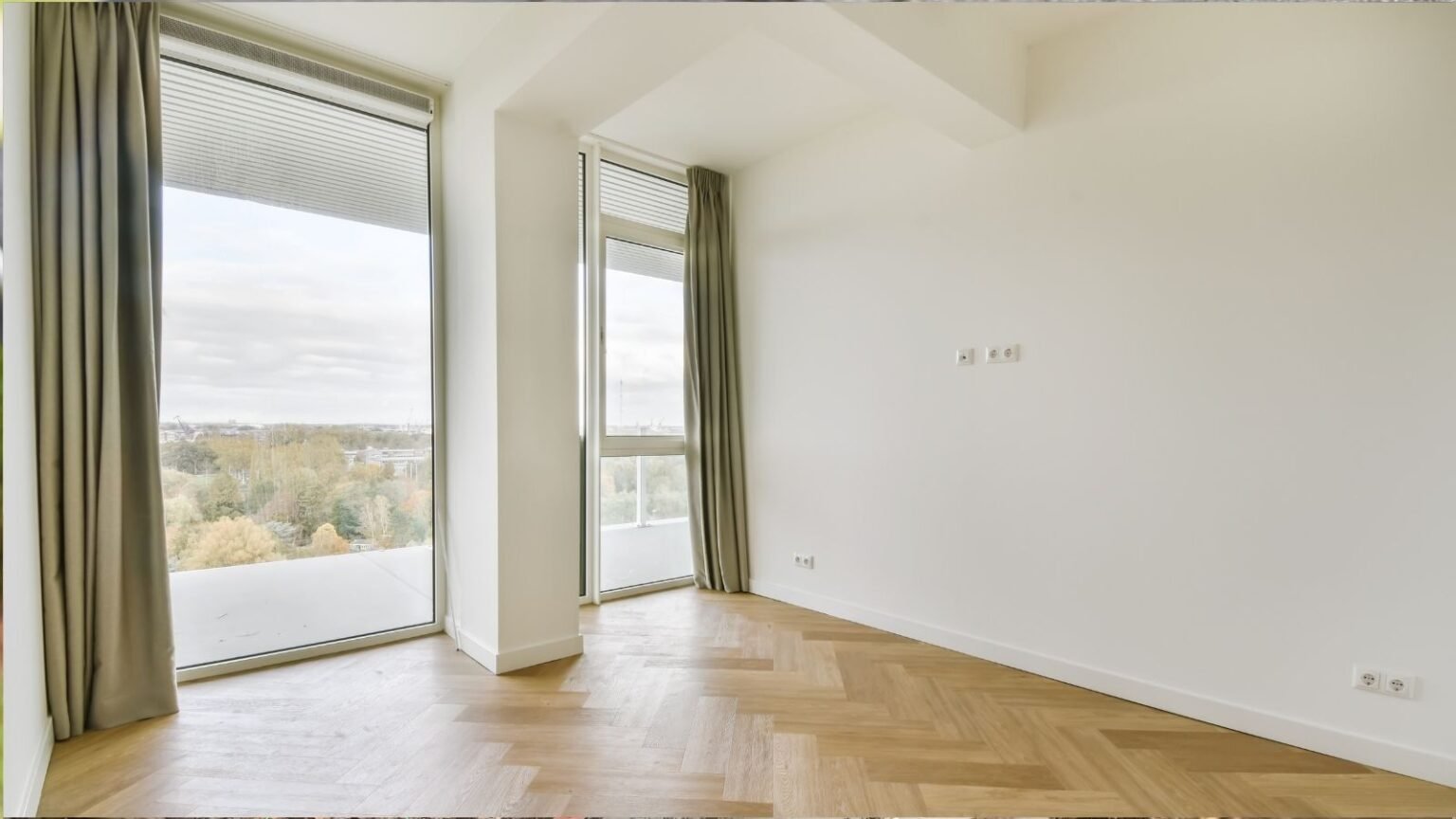
Floor to ceiling windows are full-height glass panels that stretch from the floor to the ceiling, flooding rooms with natural light and opening up views. They boost aesthetics, resale appeal, and daylight, but cost more than standard windows and require careful thought around energy efficiency, privacy, and safety. Expect to pay roughly $700–$5,000+ per window installed, depending on size, glass type, and framing.
Few design features transform a home like floor to ceiling windows. They turn an ordinary wall into a wall of light, blur the line between indoors and outdoors, and make even modest rooms feel larger and more luxurious. It’s no surprise they’ve become a signature of modern apartments, custom builds, and high-end renovations.
But big glass comes with big decisions. Are floor to ceiling windows expensive? Are they safe for kids and pets? How do you decorate around them, and where do you even buy them? This guide answers all of it.
In this post, you’ll learn exactly what floor to ceiling windows are, their real benefits and drawbacks, a clear cost breakdown, safety and energy considerations, practical decorating tips, glass and framing options, and where to buy them. Whether you’re upgrading a house or renting an apartment with a stunning glass wall, you’ll walk away ready to make a confident decision.
What Are Floor to Ceiling Windows?
Floor to ceiling windows are large glass panels installed to span the full height of a wall, from the floor line to the ceiling. Instead of a standard window framed by drywall above and below, the glass becomes the wall itself. The result is uninterrupted views and dramatically more natural light.
You’ll see the term written a few ways—floor to ceiling windows, floor-to-ceiling windows, or simply a single floor to ceiling window in a feature room. They all describe the same idea: maximum glass, minimum obstruction.
These windows come in several configurations. Some are fixed picture windows built purely for views and light. Others include operable sections—sliding, awning, or casement panels—for ventilation. In many builds, they’re combined with glass doors to create a seamless indoor-outdoor flow onto a patio, balcony, or backyard.
Where You’ll Find Them
Floor to ceiling windows show up most often in modern and contemporary architecture, but they suit many styles. They’re popular in living rooms, primary bedrooms, stairwells, and open-plan spaces where light and views matter most.
They’re also a defining feature of upscale rentals. Floor to ceiling window apartments command premium interest because they feel bright, spacious, and current. In fast-growing rental markets—floor to ceiling windows apartments Houston listings, for example, frequently highlight them as a headline amenity—big glass has become a genuine selling point. If you’re weighing property features that influence value, the real estate insights at Flight Homes explore how design details shape buyer and renter demand.
Benefits of Floor to Ceiling Windows
The appeal goes well beyond looks. Here’s what full-height glass actually delivers.
- More natural light. Larger glass area means significantly more daylight, which can reduce reliance on artificial lighting and lift the mood of a room.
- Expanded sense of space. Uninterrupted glass makes rooms feel bigger and ceilings feel taller.
- Better views. Whether it’s a skyline, a garden, or a treeline, floor to ceiling windows frame the outdoors like living artwork.
- Higher perceived value. For both buyers and renters, a wall of glass reads as premium and modern.
- Indoor-outdoor connection. Paired with sliding glass doors, they make patios and balconies feel like extensions of the living space.
For homeowners planning upgrades that combine wow factor with long-term payoff, these windows sit alongside kitchens and bathrooms as high-impact projects. You’ll find related upgrade strategies throughout the home improvement guides on Flight Homes.
Drawbacks to Consider
No feature is perfect. Weigh these trade-offs before committing.
- Higher cost. Larger custom glass, stronger framing, and specialized installation all add up.
- Energy loss risk. Without the right glass, large panes can leak heat in winter and gain heat in summer.
- Privacy concerns. More glass means less privacy, especially at ground level or in dense neighborhoods.
- Cleaning and maintenance. Big glass shows smudges and dust, and exterior cleaning may need professional help on upper floors.
- Furniture and decorating limits. A full glass wall reduces usable wall space for art, shelving, or large furniture.
Most of these drawbacks are manageable with smart glass choices, good design, and proper installation—all covered below.
Are Floor to Ceiling Windows Expensive?
Yes—floor to ceiling windows generally cost more than standard windows, and it’s fair to ask how expensive they really are before you plan a project. The premium comes from the size of the glass, the strength of the framing needed to support it, and the more involved installation.
Here are general price ranges per window, including materials and professional installation:
- Standard fixed floor to ceiling window (vinyl or aluminum): $700–$2,000
- Large or custom-sized panels: $2,000–$4,000
- High-performance glass (double or triple-pane, low-E): add $500–$1,500
- Premium framing (wood or high-end aluminum): add $500–$2,000
- Operable or sliding glass-wall systems: $3,000–$10,000+
For a full glass wall made of multiple panels, total costs can climb into five figures. Structural work—reinforcing headers or walls to carry the load—can add to the bill as well.
So how expensive are floor to ceiling windows in practice? For a single feature window, budget somewhere around $1,000–$3,000 installed for most quality builds. For a dramatic multi-panel wall or a sliding glass system, plan for considerably more.
The upfront cost buys real returns: more light, stronger curb appeal, and higher property value. Budgeting realistically for standout upgrades is a recurring theme across the Flight Homes home improvement library, and glass walls deserve the same careful planning as any major renovation.
Are Floor to Ceiling Windows Safe?
Safety is one of the most common questions homeowners and parents ask, and the short answer is: yes, when the right glass is used. Modern floor to ceiling windows are built to strict safety standards, but not all glass is equal.
- Tempered glass is heat-treated to be much stronger than standard glass. If it breaks, it shatters into small, blunt pieces rather than sharp shards. Most building codes require tempered or safety glass for large panes near the floor.
- Laminated glass sandwiches a plastic interlayer between panes, so it holds together even when cracked—ideal for security and impact resistance.
- Impact-resistant glass is essential in hurricane-prone regions and high-wind zones.
For families with young children or pets, safety glass plus visual markers (like decals at eye level) reduce the risk of accidental impact. Proper installation matters just as much as the glass itself—a poorly seated panel is a hazard regardless of glass type. For guidance from a trusted authority, the U.S. Department of Energy’s window and glazing resources cover performance and safety standards worth reviewing.
Types of Glass and Framing
The glass and frame you choose determine performance, comfort, and cost. Here’s how to compare your options.
Glass Options
- Double-pane glass: Two panes with an insulating gas layer between them—the standard for energy efficiency.
- Triple-pane glass: Three panes for maximum insulation, best in extreme climates.
- Low-E coatings: A microscopic coating that reflects heat while letting light through, cutting energy loss significantly.
- Tinted or reflective glass: Reduces glare and heat gain and adds daytime privacy.
Framing Materials
- Aluminum: Slim, strong, and modern, ideal for large panes—though less insulating unless thermally broken.
- Vinyl: Affordable and energy-efficient, with less design flexibility for very large spans.
- Wood: Warm and classic, with excellent insulation, but higher maintenance.
- Fiberglass: Durable, stable, and energy-efficient, splitting the difference between vinyl and wood.
Match the frame to your climate, budget, and architectural style. In cold or hot regions, prioritize thermally broken frames and high-performance glass.
Energy Efficiency
A big worry with large glass is energy loss—and it’s a valid one. But today’s floor to ceiling windows can perform well when specified correctly.
Look for these ratings when comparing products:
- U-factor: Measures insulation. Lower is better.
- Solar Heat Gain Coefficient (SHGC): Measures heat from sunlight. Lower values reduce cooling costs in hot climates; higher values can help in cold ones.
- ENERGY STAR certification: A quick shortcut to efficient products rated for your climate zone.
Pairing double or triple-pane glass with low-E coatings and quality framing keeps energy bills in check while preserving the light and views you want. Proper sealing and professional installation are just as important as the glass rating itself.
How to Decorate an Apartment With Floor to Ceiling Windows
Decorating around a glass wall is different from decorating a standard room. The goal is to enhance the light and views, not fight them. If you’re wondering how to decorate an apartment with floor to ceiling windows, start with these strategies.
Manage Light and Privacy
- Sheer curtains soften light while preserving the open feel.
- Roller or solar shades offer clean lines and glare control without blocking views.
- Layered treatments—sheers plus blackout panels—give flexibility for bedrooms.
Arrange Furniture Thoughtfully
- Keep large furniture away from the glass so it doesn’t block light or views.
- Use low-profile pieces near the windows to preserve sightlines.
- Float furniture in the room rather than pushing everything against walls.
Add Warmth and Balance
- Bring in plants that thrive in bright light to enhance the indoor-outdoor feel.
- Use rugs and textiles to add warmth and soften hard, reflective surfaces.
- Mirror placement can amplify light and views even further.
Renters especially benefit from non-permanent solutions like tension-rod curtains and freestanding shades. For more room-by-room styling ideas, browse the Flight Homes blog, which covers practical decorating across home types.
Where to Buy Floor to Ceiling Windows
Once you’ve settled on specs, the next question is where to buy floor to ceiling windows. You have several solid options.
- National window manufacturers: Brands like Andersen, Pella, and Marvin offer large and custom window lines with professional installation networks.
- Home improvement retailers: The Home Depot and Lowe’s carry standard sizes and can special-order larger custom panels.
- Local window and glass companies: Regional installers often provide custom fabrication, precise measuring, and hands-on service.
- Architectural and specialty glass suppliers: Best for oversized panels, sliding glass walls, and high-performance or designer glazing.
- Online retailers: Useful for browsing, comparing, and ordering smaller standard units.
Whatever the source, buy the glass, framing, and installation as a coordinated package, and confirm warranties, energy ratings, and safety-glass compliance. Sourcing quality exterior materials is a recurring theme in Flight Homes home improvement coverage, and windows are no exception.
Installation Overview
Installing floor to ceiling windows is more involved than swapping a standard window, and it’s rarely a DIY job. Here’s what the process generally looks like so you can plan and communicate with your contractor.
- Assess the structure. A professional confirms the wall can support large glass, and whether headers or framing need reinforcing to carry the load.
- Measure precisely. Full-height openings demand exact measurements—small errors cause big problems with oversized panels.
- Prepare the opening. The rough opening is framed, squared, and prepped for the new unit.
- Set and secure the window. The panel is carefully positioned, leveled, and anchored.
- Seal and insulate. Proper flashing, sealing, and insulation prevent air and water leaks—critical for energy performance.
- Finish and inspect. Interior and exterior trim is completed, and the installation is checked for operation, seals, and safety compliance.
Because these windows involve structural considerations, weight, and precise sealing, hiring an experienced installer is worth every dollar. A great glass wall only performs when the opening, support, and seals are dialed in from the start.
Choosing the Right Floor to Ceiling Windows for Your Home
Bringing it together, here’s how to narrow your decision:
- For maximum light and views: Prioritize large fixed panels with low-E, high-clarity glass.
- For cold or hot climates: Choose triple-pane, low-E glass with thermally broken or fiberglass framing.
- For families and rentals: Insist on tempered or laminated safety glass and consider privacy treatments.
- For budget-conscious upgrades: Vinyl-framed standard sizes deliver the look at a lower price.
- For a statement renovation: Consider a multi-panel glass wall or sliding glass system paired with the outdoors.
Match the glass, framing, and configuration to your climate, budget, and how long you plan to stay. A window upgrade is a long-term investment, so it pays to choose deliberately.
The Bottom Line on Floor to Ceiling Windows
Floor to ceiling windows remain one of the most striking upgrades you can make to a home. They flood rooms with natural light, expand the sense of space, frame beautiful views, and signal quality to buyers and renters alike. Yes, they cost more than standard windows, and yes, they demand smart choices around energy efficiency, privacy, and safety glass. But for the right space, the payoff in comfort, style, and value is hard to beat.
Start by defining your priorities—light, views, budget, and climate—then choose glass and framing that match. Insist on safety glass, verify energy ratings, and hire an experienced installer to protect your investment.
Ready to plan your next upgrade? Explore more expert guidance in the Flight Homes home improvement library to keep your project on track.
Frequently Asked Questions About Floor to Ceiling Windows
Are floor to ceiling windows expensive?
Yes, floor to ceiling windows cost more than standard windows because of larger glass, stronger framing, and more involved installation. Most single feature windows run about $1,000–$3,000 installed, while multi-panel glass walls or sliding glass systems can reach five figures. High-performance glass and premium framing add to the price but improve comfort and efficiency.
How expensive are floor to ceiling windows compared to regular windows?
Regular windows often cost a few hundred dollars each installed, while floor to ceiling windows typically start around $700 and climb well beyond $3,000 for large, custom, or high-performance units. The bigger glass area and structural requirements drive the difference. The trade-off is far more light, better views, and stronger property appeal.
Are floor to ceiling windows safe?
Yes, when built with the right glass. Tempered glass shatters into small, blunt pieces instead of sharp shards, and laminated glass holds together when cracked. Most building codes require safety glass for large panes near the floor. For families with children or pets, safety glass plus visual markers reduces the risk of accidental impact.
How do you decorate an apartment with floor to ceiling windows?
Enhance the light rather than block it. Use sheer curtains or solar shades for privacy without sacrificing views, keep large furniture away from the glass, and add plants, rugs, and mirrors to warm and balance the space. Renters can rely on non-permanent solutions like tension-rod curtains and freestanding shades.
Where can I buy floor to ceiling windows?
You can buy floor to ceiling windows from national manufacturers like Andersen, Pella, and Marvin, home improvement retailers such as The Home Depot and Lowe’s, local glass and window companies, and specialty architectural glass suppliers. Local installers and specialty suppliers are best for oversized custom panels and sliding glass walls.
Are floor to ceiling windows energy efficient?
They can be, with the right specifications. Look for double or triple-pane glass, low-E coatings, ENERGY STAR certification, and a low U-factor. Quality framing and professional sealing are essential to prevent air and heat loss. Proper glass choices let you keep the light and views while controlling energy bills.
Do floor to ceiling window apartments cost more to rent?
Often, yes. Floor to ceiling window apartments are seen as premium because they feel brighter and more spacious, so they can command higher rents in competitive markets. In cities like Houston, listings frequently highlight full-height glass as a headline amenity that attracts renters.