

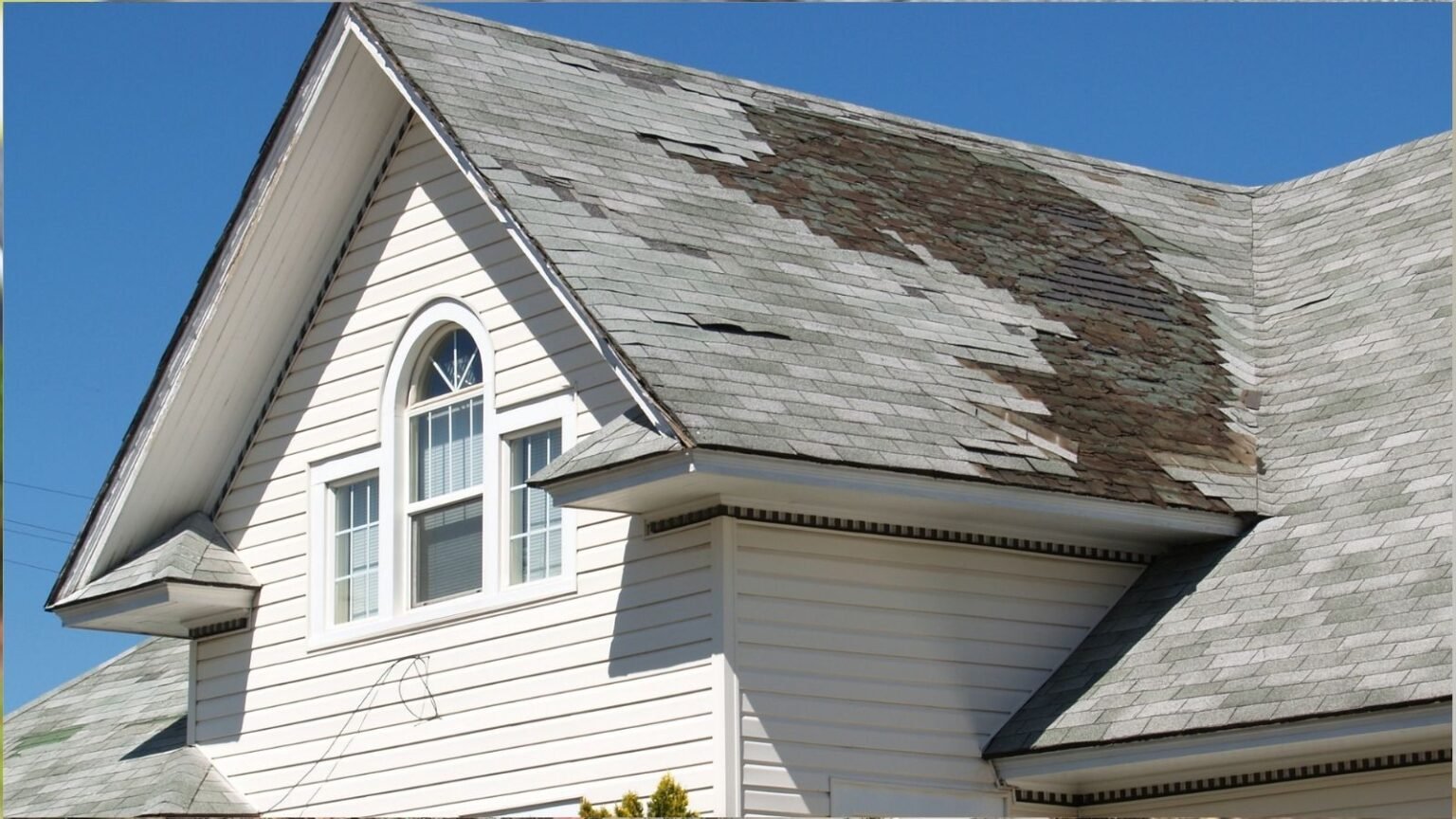
Roof leak repair is the process of finding and sealing the source of water intrusion in your roof before it damages your home’s structure, insulation, and interior. Minor repairs like patching a small leak or replacing a few shingles can cost as little as $150–$800, while major repairs involving decking or structural damage can run $1,000–$8,000 or more. Acting fast on any leak—especially an emergency one—is the single best way to keep repair costs low and protect your home.
A roof leak rarely announces itself politely. It shows up as a brown stain spreading across the ceiling, a drip during a storm, or the musty smell of moisture where there shouldn’t be any. And by the time you notice it, water has often been working behind the scenes for weeks.
The good news is that most leaks are fixable, and many are far less dramatic than they first appear. The key is understanding what’s actually happening above your head, whether the problem calls for a quick patch or professional intervention, and how to stop small leaks from turning into major structural damage.
This guide walks you through everything: what causes roof leaks, the most common types, how to tell if you can handle a repair yourself, a step-by-step look at the process, realistic cost estimates, what to do in an emergency, and how commercial and residential repairs differ. Whether you’re dealing with an active drip right now or planning ahead as part of a broader home improvement project, this is the resource to keep bookmarked.
What Is Roof Leak Repair?
Roof leak repair covers any work done to locate and seal the point where water enters your roofing system. That sounds simple, but the trickiest part is often finding the leak in the first place. Water rarely drips straight down from where it enters. It travels along rafters, decking, and insulation before finally appearing on your ceiling—sometimes several feet from the actual breach.
A proper repair involves three stages: identifying the true source of the water, fixing the damaged component, and addressing any secondary damage the leak has already caused. Skip any of those steps and the problem tends to return.
Leaking roof repair ranges widely in scope. On the small end, it might mean resealing a single flashing joint or replacing a cracked shingle. On the larger end, it can involve tearing out saturated decking, treating mold, and rebuilding a section of the roof. Knowing which category your leak falls into is the first step toward a lasting fix.
What Causes a Roof to Leak?
Roof leaks come from a handful of predictable culprits. Understanding the root cause helps you choose the right repair and prevent a repeat.
Damaged or Missing Shingles
Shingles are your roof’s first line of defense. Wind can lift or tear them off, hail can crack them, and age simply wears them out. Once a shingle is compromised, the layers beneath it are exposed to water. This is one of the most common and most straightforward sources of a leaking roof.
Failed Flashing
Flashing is the thin metal that seals the joints where your roof meets chimneys, vents, skylights, and walls. These transition points are the most leak-prone areas on any roof. When flashing rusts, lifts, or the sealant around it cracks, water finds its way straight into the structure.
Clogged or Damaged Gutters
When gutters clog with leaves and debris, water backs up and pools along the roof edge instead of draining away. That standing water eventually works its way under the shingles. Poor drainage is a frequent hidden cause of leaks, which is why gutter health matters so much to the roof above it.
Cracked Vent Boots and Seals
The rubber boots sealing plumbing vents and other roof penetrations degrade over time. Cracked or brittle seals are a classic source of slow, persistent leaks that are easy to overlook during a casual inspection.
Ice Dams
In cold climates, snow melts on the warmer upper roof, then refreezes at the colder eaves, forming a ridge of ice. Water pools behind that dam and seeps beneath the shingles. Ice dams are a seasonal cause of leaks that proper insulation and ventilation can help prevent.
Age and Wear
No roof lasts forever. As roofing materials reach the end of their lifespan, they become brittle, lose their protective granules, and grow far more prone to leaks. Widespread age-related failure often points toward replacement rather than repeated patching.
Poor Installation or Prior Repairs
Sometimes the leak traces back to shoddy workmanship—improperly sealed flashing, incorrectly nailed shingles, or a rushed prior repair. Careful site work and correct installation matter enormously in roofing, a principle that carries across nearly every home improvement project worth doing right.
Common Types of Roof Leaks
Not all leaks behave the same way, and identifying the pattern helps you diagnose the source.
- Active drips during rain. The most obvious type, usually pointing to a clear breach in the roof surface or flashing.
- Slow, staining leaks. These create gradual water stains on ceilings and walls, often from cracked seals or minor flashing failures.
- Intermittent leaks. They appear only under certain conditions—wind-driven rain, snowmelt, or heavy downpours—which makes them harder to trace.
- Flashing leaks. Concentrated around chimneys, skylights, and vents, these are among the most common and are frequently misdiagnosed.
- Condensation leaks. Not true leaks at all, but moisture from poor attic ventilation that mimics a roof leak.
Correctly categorizing the leak saves time and money. A condensation problem, for instance, calls for improved ventilation, not roof patching.
DIY vs. Professional Roof Leak Repair
One of the first questions homeowners ask is whether they can handle the repair themselves. The honest answer depends on the leak, the roof, and your comfort working at height.
DIY repair may be reasonable for:
- Replacing one or two accessible, damaged shingles
- Resealing a small, visible flashing joint
- Applying roofing sealant to a minor, clearly identified crack
- Clearing clogged gutters that are causing water backup
Call a professional when you face:
- Leaks you can’t locate or that appear in multiple areas
- Steep, high, or slippery roofs that make access dangerous
- Structural damage, sagging, or signs of rot
- Widespread shingle failure or an aging roof
- Any leak involving electrical wiring or significant interior damage
Roofing work carries genuine safety risks. Falls from roofs cause serious injuries every year, and a small mistake can turn a minor leak into a major one. When in doubt, hiring an experienced roofer is almost always the smarter investment. For more guidance on weighing DIY against professional help across home projects, the Flight Homes blog offers practical, real-world decision-making.
How to Repair a Roof Leak: Step-by-Step
If you’ve determined the repair is within your skill set and the roof is safe to access, here’s how the process generally works. This overview also helps you understand what a professional will do so you can communicate clearly.
1. Find the Source
Start inside. Check the attic during or right after rain and trace the water back to its highest point of entry. Look for water stains, discoloration, or damp insulation. Remember that water travels, so the entry point is usually uphill from where you see the drip.
2. Mark and Inspect the Area
Once you’ve identified the likely entry point, mark it clearly. On the roof exterior, inspect the corresponding area for damaged shingles, lifted flashing, cracked seals, or debris. Take photos for reference and for any insurance claim.
3. Make the Repair
The fix depends on the cause:
- Damaged shingle: Carefully lift the surrounding shingles, remove the damaged one, slide in a replacement, and seal with roofing cement.
- Failed flashing: Remove the old sealant, reseat or replace the flashing, and apply fresh roofing sealant.
- Cracked vent boot: Replace the rubber boot and seal the base thoroughly.
- Small punctures or cracks: Clean the area and apply a quality roofing sealant or patch.
4. Seal and Waterproof
Apply roofing cement or sealant generously around the repaired area to ensure a watertight finish. Smooth it out so water sheds properly rather than pooling.
5. Address Interior Damage
Once the leak is sealed, deal with what happened inside. Dry out affected insulation, replace damaged drywall, and watch for mold. Left unchecked, moisture damage compounds quickly.
6. Test the Repair
After the sealant cures, test the fix with a garden hose, mimicking rainfall on the repaired area while someone watches for drips inside. This confirms the leak is truly resolved before the next storm.
A word of caution: if at any point the job feels beyond your ability or the roof feels unsafe, stop and call a professional. A botched DIY repair often costs more to fix than the original leak.
How Much Does It Cost to Repair a Roof Leak?
Cost is one of the biggest concerns, and it’s fair to ask how much a repair will run before committing. Roof leak repair pricing varies based on the cause, the roof type, the extent of damage, and your region. Here are general ranges for repairs including materials and professional labor:
- Minor repair (single leak, few shingles, sealant): $150–$800
- Moderate repair (flashing replacement, multiple shingles, small area): $400–$1,500
- Major repair (decking damage, larger section): $1,000–$3,500
- Structural repair (rot, rafters, extensive water damage): $3,000–$8,000+
- Emergency roof leak repair (after-hours or urgent tarping): add $200–$600 to standard costs
Several factors push costs up or down. Roof pitch and height affect labor difficulty. Premium materials like slate or metal cost more than asphalt shingles. And the longer a leak goes unaddressed, the more secondary damage—rot, mold, ruined insulation—adds to the final bill.
This is exactly why speed matters. A $300 shingle repair caught early can prevent a $5,000 structural repair later. Budgeting realistically for maintenance is a recurring theme across the Flight Homes home improvement library, and roofing deserves the same forward planning as any major system in your home. For homeowners weighing repairs against long-term property value, the Flight Homes real estate insights explore how a sound roof influences resale.
Emergency Roof Leak Repair: What to Do Right Now
When water is actively pouring in, you don’t have time to plan a full repair. Emergency roof leak repair is about damage control—stopping the flow and protecting your home until a permanent fix is possible.
Take these immediate steps:
- Contain the water. Place buckets or containers under active drips and lay towels to protect flooring.
- Relieve ceiling pressure. If water is pooling in a ceiling bulge, carefully puncture the center with a small hole to drain it into a bucket. This prevents a larger, messier collapse.
- Move and cover valuables. Shift furniture and electronics away from the water and cover them with plastic.
- Tarp the roof if it’s safe. If you can safely access the roof, secure a waterproof tarp over the affected area to stop further intrusion. Never attempt this in a storm or on a slick roof.
- Document everything. Photograph the damage inside and out for your insurance claim.
- Call a professional. Many roofing companies offer emergency and after-hours service for urgent leaks.
Searching for “roof leak repair near me” during an emergency often turns up local contractors who provide rapid response. Keep a trusted roofer’s contact saved before you ever need it, so you’re not scrambling mid-storm.
Commercial vs. Residential Roof Leak Repair
Commercial roof leak repair differs meaningfully from residential work, largely because the roofs themselves are built differently.
Residential roofs are typically sloped and covered with asphalt shingles, tile, or metal. Leaks usually trace to damaged shingles, flashing, or seals, and repairs are relatively contained.
Commercial roofs are often flat or low-slope, using materials like TPO, EPDM, modified bitumen, or built-up roofing. Flat roofs are more prone to pooling water, and leaks often stem from membrane seams, punctures, or drainage failures. Because commercial roofs are larger and more complex, repairs generally require specialized materials and expertise, and the stakes—protecting inventory, equipment, and business operations—are higher.
If you own or manage a commercial property, work with a roofer experienced in flat-roof systems specifically. The diagnostic approach and repair methods differ enough that a residential-focused contractor may not be the right fit.
How to Prevent Roof Leaks
The cheapest roof leak is the one that never happens. A little routine attention goes a long way toward keeping your roof watertight.
- Inspect twice a year. Check your roof each spring and fall, and after major storms, for damaged shingles, lifted flashing, and debris.
- Keep gutters clean. Clear leaves and debris regularly so water drains properly instead of backing up under the roof edge.
- Trim overhanging branches. Limbs that scrape or drop debris on the roof accelerate wear and clog gutters.
- Check flashing and seals. Pay special attention to chimneys, vents, and skylights, where most leaks begin.
- Improve attic ventilation and insulation. Good airflow reduces condensation and helps prevent ice dams in cold climates.
- Address small issues immediately. A single cracked shingle is cheap to fix now and expensive to ignore.
Sound water management protects far more than the roof itself—it guards against moisture damage throughout the structure. The U.S. Environmental Protection Agency’s guidance on preventing water damage and mold pairs naturally with good roof maintenance and is worth reviewing.
When to Call a Professional Roofer
Some situations clearly warrant expert help rather than a DIY attempt. Call a professional if you notice:
- Multiple leaks or a leak you simply can’t locate
- Sagging areas in the roof or ceiling
- Signs of rot, mold, or extensive water staining
- A roof nearing or past its expected lifespan
- Any leak on a steep, high, or unsafe roof
- Recurring leaks that keep returning after DIY patches
A qualified roofer brings the tools, safety equipment, and diagnostic experience to find hidden leaks and fix them correctly the first time. Many also provide warranties on their work, giving you added protection. When you’re comparing contractors, ask about licensing, insurance, experience with your roof type, and whether they offer emergency service.
The Bottom Line on Roof Leak Repair
A leaking roof is one of those problems that rewards fast action and punishes delay. Catch a small leak early and you might spend a few hundred dollars on a straightforward repair. Ignore it, and water will quietly destroy insulation, decking, and structure until you’re facing a repair many times larger.
The playbook is simple: inspect regularly, respond immediately to any sign of water, know the difference between a manageable DIY fix and a job for the pros, and never let an emergency leak sit. Whether you’re patching a single shingle or managing a commercial flat-roof repair, protecting your roof is protecting everything beneath it.
Ready to tackle your next home project the right way? Explore more practical guidance in the Flight Homes home improvement library to keep your home in top shape.
Frequently Asked Questions About Roof Leak Repair
How much does it cost to repair a roof leak?
Most minor roof leak repairs cost between $150 and $800, covering things like replacing a few shingles or resealing flashing. Moderate repairs run $400–$1,500, while major repairs involving decking or structural damage can reach $3,000–$8,000 or more. Emergency roof leak repair typically adds $200–$600 for urgent or after-hours service. Acting quickly keeps costs on the lower end.
Can I repair a roof leak myself?
You can handle minor repairs yourself, such as replacing an accessible damaged shingle, resealing a small flashing joint, or clearing clogged gutters. However, leaks you can’t locate, steep or high roofs, structural damage, and widespread shingle failure call for a professional. Roofing work carries real fall risks, so prioritize safety and hire a pro when in doubt.
How do I find where my roof is leaking?
Start in the attic during or after rain and trace the water to its highest point of entry, since water travels along beams before dripping down. Look for stains, discoloration, and damp insulation. On the exterior, inspect the corresponding area for damaged shingles, lifted flashing, or cracked seals. A garden hose test can help confirm the source.
What should I do about an emergency roof leak?
Contain the water with buckets, relieve any ceiling bulge by carefully draining it, and move valuables out of the way. If it’s safe, tarp the affected roof area to stop further intrusion—never during a storm. Document the damage for insurance and call a roofer offering emergency service. Searching “roof leak repair near me” often turns up rapid-response local contractors.
How is commercial roof leak repair different from residential?
Commercial roofs are usually flat or low-slope and use membrane systems like TPO or EPDM, so leaks often come from seam failures, punctures, or poor drainage. Residential roofs are typically sloped with shingles, and leaks trace to damaged shingles or flashing. Commercial repairs require specialized materials and flat-roof expertise, making contractor experience especially important.
How long does a roof leak repair last?
A properly executed repair can last many years, often the remaining lifespan of the roof, provided the underlying cause was correctly addressed. Quick patches meant to stop an active leak are temporary and should be followed by a permanent fix. The durability of any repair depends on quality materials, correct installation, and ongoing maintenance.
Will homeowners insurance cover a roof leak?
Insurance often covers roof leaks caused by sudden, accidental events like storm or wind damage, but typically excludes leaks resulting from age, wear, or lack of maintenance. Document the damage thoroughly and review your policy or contact your insurer to understand your coverage. Prompt repairs and good maintenance records strengthen any claim.