

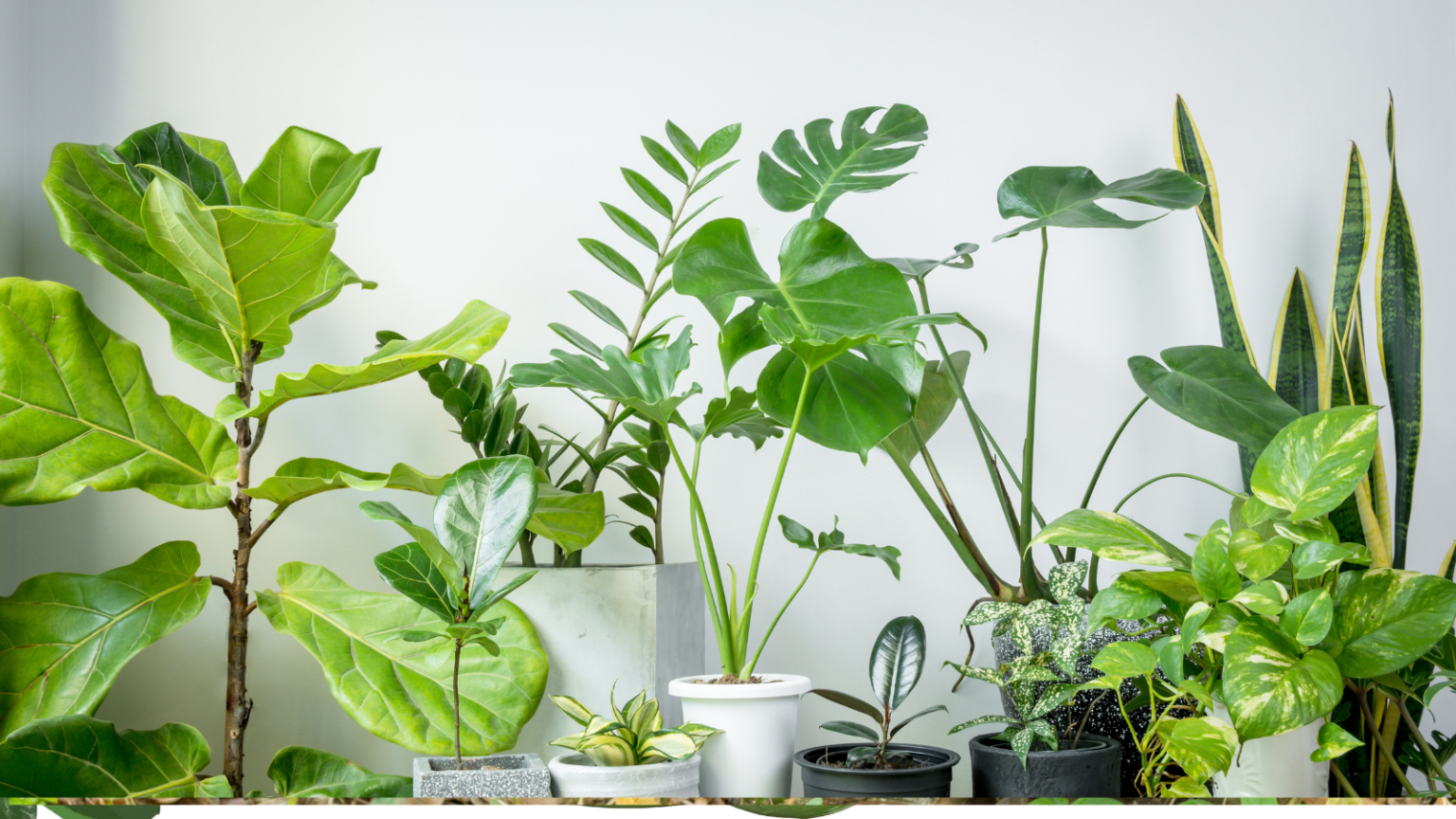
Tropical house plants thrive indoors when given bright indirect light, consistent watering (typically every 7–14 days depending on the species), well-draining soil, and humidity levels above 50%. Popular indoor tropical house plants include Monstera deliciosa, Bird of Paradise, Pothos, and Peace Lily. With the right care routine, these plants can flourish year-round inside any home.
There’s a reason tropical house plants have taken over every home décor feed, living room shelf, and interior design blog. They’re bold. They’re lush. And they bring a kind of organic energy to a space that no piece of furniture can replicate.
But here’s the thing: a lot of people buy a stunning Monstera or a trailing Pothos, bring it home, and then watch it slowly decline—yellowing leaves, drooping stems, soil that’s either bone dry or waterlogged. Sound familiar? The problem usually isn’t the plant. It’s the care routine.
Tropical plants for the house come from environments that are warm, humid, and rich with dappled light filtered through forest canopies. Replicating those conditions indoors—even partially—is the secret to keeping them healthy. And the good news is that it’s not as complicated as it sounds.
This guide covers everything you need to know about growing indoor tropical house plants, from choosing the right species for your space to mastering watering schedules, repotting, and caring for tropical foliage house plants through every season. Whether you’re just starting out or troubleshooting a struggling collection, you’ll find practical, actionable advice right here.
For more home inspiration and gardening tips, explore the gardening section at Flight Homes, your go-to resource for plant care, home improvement, and inspired living.
📷 Image placement suggestion: Hero image of a bright, sunlit living room featuring a large Monstera deliciosa and Bird of Paradise in decorative pots. Alt text: “Indoor tropical house plants including Monstera and Bird of Paradise displayed in a modern living room.” Caption: “Tropical house plants bring lush, dramatic foliage into any indoor space.”
What Makes a Plant “Tropical”?
Tropical plants originate from regions near the equator—Central and South America, Southeast Asia, Africa, and the Pacific Islands. These zones share a few consistent climate traits: warm temperatures year-round, high humidity, frequent rainfall, and light that’s often filtered through dense tree canopies rather than direct and harsh.
When we bring tropical plants for the house indoors, we’re essentially pulling them out of that environment and asking them to adapt. The species that have become popular as indoor tropical house plants are those that have proven remarkably flexible—able to tolerate lower light, indoor humidity levels, and inconsistent watering without giving up entirely.
That adaptability is exactly why they’ve become household staples.
The Best Tropical House Plants for Indoors
Not all tropical species are equally suited to indoor living. The following plants are consistently recommended by horticulturists and have a strong track record as indoor tropical house plants across a wide range of home environments.
Monstera Deliciosa (Swiss Cheese Plant)
Monstera deliciosa is arguably the most recognizable tropical foliage house plant. Its large, deeply fenestrated leaves are unmistakable, and it grows quickly under the right conditions. According to the Royal Horticultural Society (RHS), Monstera deliciosa prefers bright indirect light and temperatures between 18–27°C (64–80°F). It tolerates occasional neglect, making it ideal for beginner plant owners.
Bird of Paradise (Strelitzia reginae)
With paddle-shaped leaves that can reach over a metre in length, Bird of Paradise is a statement tropical plant for the house. It needs more light than most indoor tropicals—ideally a south- or east-facing window—and rewards consistent care with dramatic, architectural growth.
Pothos (Epipremnum aureum)
Pothos is one of the most forgiving indoor tropical house plants available. It tolerates low light, irregular watering, and neglect better than almost any other tropical species. NASA’s Clean Air Study listed Pothos as one of the most effective plants for removing indoor air pollutants, including formaldehyde and benzene.
Peace Lily (Spathiphyllum)
Peace Lily thrives in low to medium indirect light and signals when it needs water by drooping slightly—then bouncing back quickly after a drink. It’s an excellent choice for spaces that don’t receive much natural light.
Calathea and Maranta (Prayer Plants)
These are among the most visually striking tropical foliage house plants, with intricately patterned leaves in shades of green, purple, and burgundy. They require consistent humidity and filtered water (tap water with high fluoride can cause leaf tip burn), but reward attentive care with extraordinary foliage.
Rubber Plant (Ficus elastica)
A reliable, fast-growing tropical plant for the house, the Rubber Plant tolerates a range of light conditions and adds bold, glossy foliage to any room. It does best when left undisturbed—frequent moves stress the plant significantly.
📷 Image placement suggestion: A flat-lay or grid image showing six different tropical houseplants in small nursery pots. Alt text: “Popular indoor tropical house plants including Pothos, Monstera, and Peace Lily.” Caption: “Some of the most popular tropical plants for the house—versatile, forgiving, and beautiful.”
How to Care for Tropical House Plants
Understanding how to care for tropical house plants comes down to four core variables: light, water, humidity, and soil. Get these right, and most tropical species will thrive.
Light Requirements for Indoor Tropical House Plants
Most tropical plants for the house evolved under a forest canopy, which means they’re adapted to bright, indirect light rather than direct sun. A spot near an east- or north-facing window typically works well. South-facing windows can be suitable if the plant is positioned a metre or more back from the glass to avoid leaf scorch.
Signs of too much light: bleached or crispy leaf edges, yellowing between the veins.
Signs of too little light: slow growth, leggy stems reaching toward the light source, very dark green but small leaves.
Temperature and Humidity
Tropical indoor house plants generally prefer temperatures between 15–27°C (59–80°F) and struggle when exposed to cold drafts, air conditioning vents, or temperatures below 10°C (50°F). Most homes sit within a comfortable range during spring and summer; winter heating can dry out the air significantly, which is where humidity management becomes critical.
Aim for indoor humidity levels of 50–60% for most tropical species. Practical ways to raise humidity include:
- Grouping tropical plants together (they create a shared humid microclimate)
- Placing pots on a tray filled with pebbles and water
- Using a small cool-mist humidifier near the plant cluster
- Misting leaves in the morning (though avoid misting Calathea, which is prone to fungal issues)
Soil and Fertilizing
The best potting mix for tropical foliage house plants is one that balances moisture retention with drainage. A mix of peat-free potting compost, perlite, and a small amount of orchid bark works well for most species. Heavy, compacted soil causes root rot—the single most common cause of tropical plant death indoors.
During the growing season (spring through early autumn), feed tropical plants with a balanced liquid fertilizer every two to four weeks. Reduce or stop feeding entirely in winter when growth slows.
How Often to Water Tropical House Plants
The question of how often to water tropical house plants doesn’t have a single answer—it depends on the species, pot size, season, humidity level, and soil type. That said, a practical rule of thumb applies to most indoor tropical house plants:
Water when the top 2–5 cm (1–2 inches) of soil feels dry to the touch.
For most tropical plants in a typical home environment, this works out to roughly every 7–14 days in spring and summer, and every 14–21 days in autumn and winter. Always check the soil rather than watering on a fixed schedule—overwatering is far more damaging than underwatering for tropical species.
Signs of Overwatering
- Yellowing lower leaves
- Mushy stems near the soil line
- Soil that stays wet for more than two weeks
- Visible mold on the soil surface
Signs of Underwatering
- Dry, crispy leaf edges
- Wilting that doesn’t recover after watering
- Soil pulling away from the sides of the pot
- Very lightweight pot when lifted
Use room-temperature water where possible. Cold tap water can shock roots and cause leaf spotting on sensitive tropical foliage house plants like Calathea.
📷 Image placement suggestion: Close-up of hands watering a tropical houseplant with a watering can over a bright windowsill. Alt text: “Watering indoor tropical house plants correctly—checking soil moisture before watering.” Caption: “Always check soil moisture before watering tropical house plants to avoid overwatering.”
How to Repot Tropical House Plants
Repotting is one of the most important—and most avoided—aspects of tropical plant care. Knowing how to repot tropical house plants correctly can mean the difference between a thriving specimen and one that stagnates in root-bound soil.
When to Repot
Repot tropical indoor house plants when:
- Roots are visibly growing through drainage holes
- The plant dries out much faster than it used to
- The plant is noticeably top-heavy or unstable in its pot
- You can see a dense, circling root ball when you remove the plant from its pot
- Growth has stalled despite good light, watering, and fertilizing
Most tropical house plants benefit from repotting every one to two years, ideally in spring when growth resumes.
Step-by-Step Guide to Repotting Tropical House Plants
- Choose the right pot size. Go up only one pot size (typically 5–7 cm/2–3 inches larger in diameter). A pot that’s too large holds excess moisture and risks root rot.
- Select the right potting mix. Use a well-draining tropical or indoor plant potting mix with added perlite.
- Water the plant 24 hours before repotting. Moist soil holds the root ball together better, reducing root disturbance.
- Remove the plant carefully. Tip the pot sideways and gently ease the root ball free. Don’t yank the stem.
- Inspect the roots. Trim any dead, mushy, or circling roots with clean scissors or pruning shears.
- Add fresh soil to the new pot, position the plant, and fill around the roots. Firm gently to eliminate air pockets, but don’t compact the soil.
- Water thoroughly and place in bright indirect light. Avoid fertilizing for four to six weeks after repotting to give roots time to settle.
How to Care for Tropical Foliage House Plants Specifically
Tropical foliage house plants—those grown primarily for their leaf patterns and texture rather than flowers—include species like Calathea, Maranta, Alocasia, Philodendron, and Dieffenbachia. These plants require a slightly more attentive care approach than hardier tropicals.
Key care considerations for tropical foliage house plants:
- Use filtered or distilled water. High chlorine and fluoride levels in tap water cause brown leaf tips on sensitive foliage species.
- Maintain consistent humidity above 50%. Dry air causes leaf curl, browning edges, and poor new growth.
- Avoid cold windowsills in winter. Many foliage species are more cold-sensitive than general tropical plants.
- Wipe leaves regularly. Dust blocks light absorption. Use a damp cloth to gently wipe both sides of large leaves monthly.
- Rotate the pot every few weeks. This ensures even light exposure and prevents the plant from leaning toward the light source.
According to the University of Florida IFAS Extension, many tropical foliage species are also sensitive to soluble salts that accumulate in soil over time from fertilizer. Flushing the soil with plain water every few months helps prevent salt build-up and keeps roots healthy.
For more gardening guidance, the home improvement and DIY section at Flight Homes offers practical tips on creating beautiful, functional living spaces—inside and out.
📷 Image placement suggestion: Close-up of Calathea orbifolia and Maranta leuconeura leaves showing intricate patterns. Alt text: “Tropical foliage house plants Calathea and Maranta with patterned leaves.” Caption: “Tropical foliage house plants like Calathea are grown for their striking leaf patterns rather than their flowers.”
Common Problems With Tropical House Plants (and How to Fix Them)
Yellow Leaves
Yellow leaves are the most common complaint with indoor tropical house plants. The cause is usually overwatering, low light, or nutrient deficiency. Check the soil moisture first—if it’s wet and has been for more than a week, reduce watering frequency and improve drainage.
Brown Leaf Tips
Brown tips on tropical foliage house plants typically signal low humidity, inconsistent watering, or fluoride sensitivity. Switch to filtered water, increase humidity, and ensure the plant isn’t sitting near a heating vent.
Pests
The most common pests on tropical indoor house plants are spider mites, mealybugs, fungus gnats, and scale insects. Spider mites thrive in dry conditions—another reason to maintain humidity. Treat infestations with neem oil spray, insecticidal soap, or by wiping leaves with a damp cloth. For fungus gnats, allow the top layer of soil to dry out completely between waterings to disrupt the lifecycle.
Leggy Growth
When tropical house plants stretch toward the light with long, spaced-out internodes, they’re not getting enough light. Move the plant closer to a window or supplement with a grow light during winter months.
Styling Tropical Plants for the House: Interior Design Ideas
Beyond care, tropical house plants are powerful interior design tools. Large specimens like Monstera, Bird of Paradise, and Fiddle Leaf Fig act as focal points in living rooms and home offices. Medium-sized plants grouped together on shelving or plant stands create layered, lush displays. Trailing tropical plants like Pothos and Heartleaf Philodendron work beautifully on high shelves or in hanging planters where their vines can cascade freely.
When styling tropical plants for the house, consider:
- Height variation. Mix floor-standing plants with tabletop specimens and hanging varieties.
- Pot cohesion. Neutral tones (terracotta, cream, matte black) let dramatic tropical foliage take centre stage.
- Light zoning. Position the most light-hungry species closest to windows, and shade-tolerant species further back.
For more ideas on how indoor plants can transform your living spaces, browse the interior design and home décor inspiration on Flight Homes.
The Basics of Tropical House Plant Care: A Quick Reference
| Care Factor | General Guideline |
| Light | Bright indirect light (most species) |
| Watering frequency | Every 7–14 days in growing season |
| Humidity | 50–60% preferred |
| Temperature | 15–27°C (59–80°F) |
| Repotting interval | Every 1–2 years, in spring |
| Fertilizing | Every 2–4 weeks in spring/summer |
| Soil type | Well-draining; peat-free mix + perlite |
Start Growing: Your Tropical Plant Collection Begins Here
Tropical house plants reward attention—but they don’t demand perfection. Get the fundamentals right (light, water, humidity, soil), and most indoor tropical house plants will do exactly what you want them to do: grow, spread, and fill your home with the kind of lush, living energy that’s genuinely hard to replicate any other way.
Start with one forgiving species like Pothos or Peace Lily. Build your confidence. Then, as your understanding of how to care for tropical house plants deepens, expand into more rewarding (and occasionally more demanding) specimens like Alocasia or Calathea.
For expert guidance on creating your ideal home environment—from plant care to interior design—explore the full range of content at Flight Homes. And for deep-dive botanical care information, the Royal Horticultural Society’s houseplant care database at rhs.org.uk is an authoritative, regularly updated resource.
Your space. Your plants. Your rules.
Frequently Asked Questions About Tropical House Plants
What are the easiest tropical house plants to grow indoors?
The easiest indoor tropical house plants for beginners are Pothos (Epipremnum aureum), Peace Lily (Spathiphyllum), and ZZ Plant (Zamioculcas zamiifolia). All three tolerate low light, inconsistent watering, and standard indoor humidity levels without significant decline. Pothos is particularly recommended for its near-indestructible nature and fast growth.
How often should I water tropical house plants?
Water tropical house plants when the top 2–5 cm (1–2 inches) of soil feels dry—typically every 7–14 days in spring and summer, and every 14–21 days in autumn and winter. Always check soil moisture manually rather than following a fixed schedule, as conditions vary by season, pot size, and plant species.
Why are the leaves on my tropical house plant turning yellow?
Yellow leaves on tropical indoor house plants are most often caused by overwatering, low light, or nutrient deficiency. Check soil moisture first. If the soil has been consistently wet, allow it to dry out and reduce watering frequency. If the soil is dry and the plant is in low light, move it closer to a window.
How do I increase humidity for tropical foliage house plants?
Effective methods to raise humidity for tropical foliage house plants include grouping plants together to create a shared microclimate, placing pots on pebble trays filled with water, using a cool-mist humidifier, and misting leaves in the morning. Avoid misting Calathea and other fungal-prone species; a humidifier is a better option for sensitive tropical plants.
When and how should I repot tropical house plants?
Repot tropical house plants in spring when roots begin growing through drainage holes or when the plant dries out unusually fast. Choose a pot 5–7 cm (2–3 inches) larger in diameter, use a well-draining tropical potting mix, and avoid fertilizing for four to six weeks after repotting to allow roots to settle.
Can tropical plants survive indoors without direct sunlight?
Yes. Most tropical plants for the house are adapted to indirect or filtered light and actually perform better without direct sun exposure. Species like Pothos, Peace Lily, and Calathea thrive in bright indirect light or even lower-light conditions. Direct sun can scorch their leaves. Position them near a window but out of direct sunlight for best results.
What’s the difference between tropical house plants and tropical foliage house plants?
All tropical foliage house plants are tropical house plants—but not all tropical house plants are grown primarily for foliage. The term “tropical foliage house plants” specifically refers to species valued for their leaf patterns, textures, and colors, such as Calathea, Maranta, Alocasia, and Philodendron. These species often require slightly more specific care—particularly regarding water quality and humidity—than tropical plants grown for flowers or general form.