

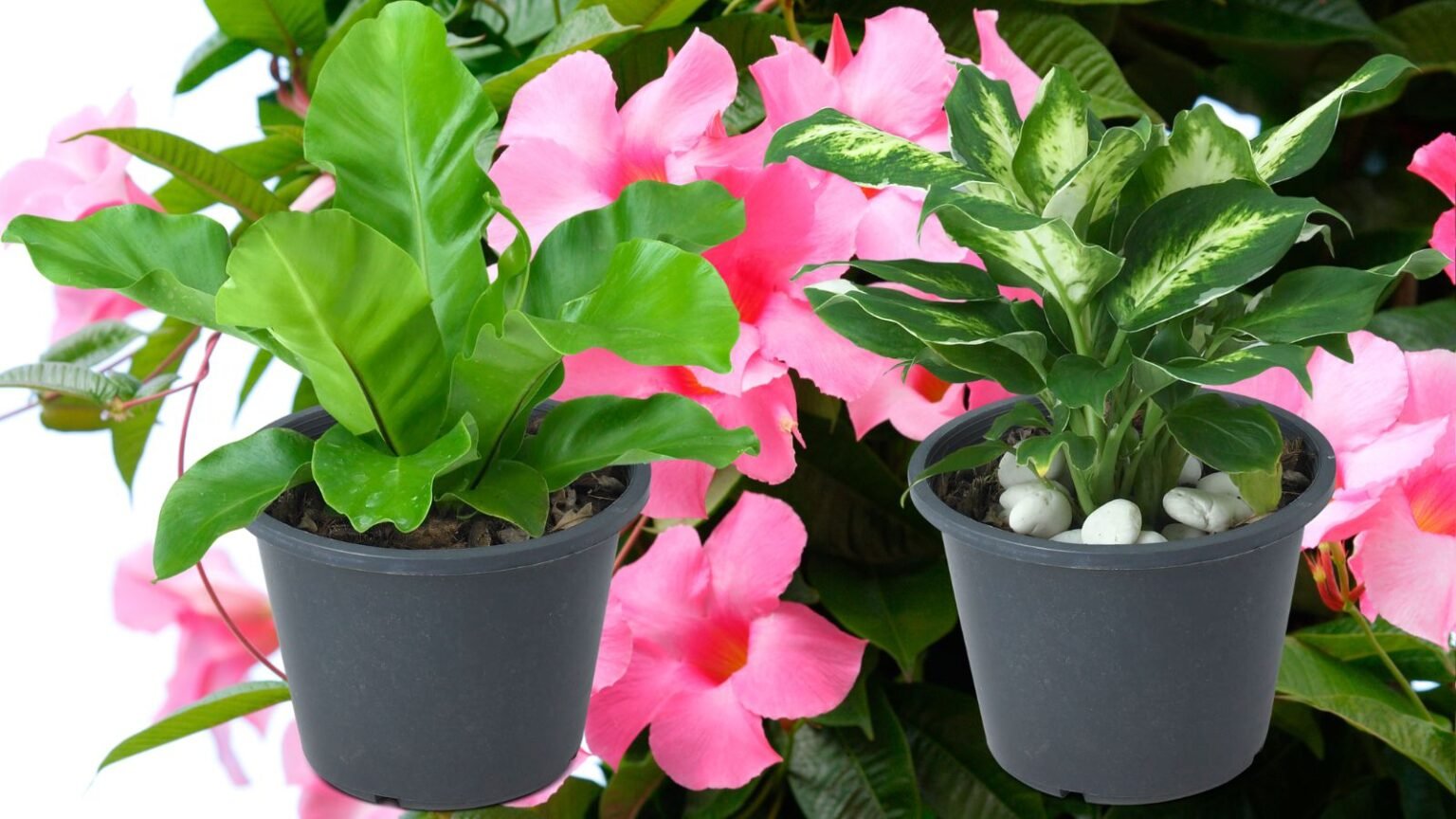
Tropical house plants are indoor plants native to tropical climates, known for bold foliage, vibrant colors, and air-purifying qualities. Popular varieties include the Bird of Paradise, Monstera deliciosa, and Peace Lily. They thrive in bright indirect light, high humidity, and well-draining soil—making them ideal for modern home interiors.
Lush, leafy, and full of life. Tropical house plants have moved well beyond the garden center and into living rooms, offices, and bathrooms across the world—and it’s not hard to see why. They bring color to bare corners, warmth to minimalist spaces, and a surprising sense of calm to busy households.
But growing tropical plants indoors is as much a science as it is an art. Get the conditions right, and a single Monstera can transform an entire room. Get them wrong, and even the hardiest Bird of Paradise will struggle. This guide covers everything you need to know—from the best tropical plants for beginners to advanced care tips, common problems, and where to buy plants online.
Whether you’re setting up your first indoor garden or expanding an existing collection, you’ll find expert-backed advice here to help every plant thrive.
[Image placement: Hero banner image of a bright, plant-filled living room with a large Monstera and Bird of Paradise in the background]
Alt text: Tropical house plants in a modern living room interior
Caption: Tropical house plants instantly elevate any living space—here’s how to choose and grow them successfully.
What Are Tropical House Plants?
Tropical house plants are species native to tropical and subtropical regions of the world—areas near the equator that experience warm temperatures, high humidity, and abundant rainfall year-round. These plants have adapted to thrive in filtered light under dense forest canopies, which is precisely why many of them do so well indoors, away from direct sun.
Common regions of origin include Central and South America, Southeast Asia, Africa, and the Pacific Islands. Because indoor environments share some characteristics with those native habitats—relatively stable temperatures, shelter from wind, and consistent moisture—many tropical plants adapt remarkably well to home growing conditions.
What sets tropical plants apart from common house plants native to temperate climates? Mostly their appearance. Tropical varieties tend to feature large, dramatic leaves, vivid colors, and bold architectural shapes. They make a visual statement in ways that most traditional houseplants simply don’t.
Why Are Tropical House Plants So Popular Right Now?
The global houseplant market has experienced rapid growth over the past several years. According to the National Gardening Association, houseplant sales in the United States increased by 50% between 2016 and 2019, and the trend has continued well into the 2020s, driven largely by a growing interest in biophilic interior design—the practice of incorporating natural elements into living spaces.
Tropical plants sit at the center of this movement. Their bold, sculptural forms complement modern and contemporary interior design styles, and their air-purifying properties have added a wellness dimension to their appeal. NASA’s Clean Air Study identified several tropical species—including Peace Lily (Spathiphyllum) and Golden Pothos—as effective at filtering common indoor air pollutants such as benzene and formaldehyde.
For anyone interested in how plants can transform a home environment, the Flight Homes interior design category is a great place to start exploring plant-forward styling ideas.
[Image placement: Close-up of a Monstera deliciosa leaf with light filtering through]
Alt text: Monstera deliciosa tropical plant with split leaves
Caption: The Monstera deliciosa is one of the most recognizable tropical house plants in modern interior design.
The Best Tropical House Plants for Beginners
Not all exotic plants are high-maintenance. Many of the most visually striking tropical varieties are surprisingly forgiving, making them ideal for beginners. Here are seven of the best to start with.
1. Monstera Deliciosa (Swiss Cheese Plant)
Few tropical plants have achieved the cultural status of the Monstera deliciosa. Its large, fenestrated leaves—those iconic natural holes and splits—have made it a staple of interior design photography and social media alike. Native to the rainforests of Central America, Monstera deliciosa thrives in bright indirect light and only needs watering when the top inch of soil dries out. It can grow several feet tall indoors with minimal fuss.
Care tip: Wipe the leaves monthly with a damp cloth to remove dust and maximize light absorption.
2. Bird of Paradise (Strelitzia reginae)
The Bird of Paradise is one of the most dramatic tropical plants you can grow indoors. With paddle-shaped leaves that can reach over a metre in length, it creates an immediate focal point in any room. Native to South Africa, it prefers a bright, sunny spot and should be watered consistently during the growing season. It’s slower-growing than most tropical houseplants, but the visual payoff is extraordinary.
3. Peace Lily (Spathiphyllum)
If low-maintenance is a priority, the Peace Lily delivers. It tolerates lower light levels better than almost any other tropical plant, produces elegant white flowers, and actively communicates when it needs water by gently drooping its leaves. Classified by NASA as an air-purifying species, it’s one of the most practical exotic plants to grow indoors.
4. Golden Pothos (Epipremnum aureum)
Golden Pothos may be one of the most common house plants in the world—and for good reason. It’s nearly indestructible. This fast-growing vine tolerates neglect, low light, and irregular watering better than almost any other tropical plant. Trail it from a high shelf or train it up a moss pole for a lush, jungle-like effect.
5. Bird’s Nest Fern (Asplenium nidus)
Ferns are quintessentially tropical, and the Bird’s Nest Fern is one of the easiest to grow indoors. Its rippled, glossy fronds unfurl from a central “nest,” creating a compact but striking silhouette. It thrives in indirect light and high humidity, making it an excellent choice for bathrooms and kitchens.
6. ZZ Plant (Zamioculcas zamiifolia)
Also known as the Zanzibar Gem, the ZZ plant is a native of Eastern Africa and a champion of indoor growing conditions. Its thick, waxy leaves store water efficiently, meaning it can go weeks without attention. For a deeper look at this remarkable species, the Flight Homes guide to Zanzibar Gem plants is well worth reading.
7. Philodendron
With hundreds of species to choose from, Philodendrons offer incredible variety. Heart-leaf Philodendron is a classic trailing variety; the Philodendron gloriosum offers velvety, oversized leaves for collectors. Most species share the same basic requirements: indirect light, moderate watering, and average household humidity.
[Image placement: Flat-lay of six small tropical plants on a wooden surface]
Alt text: Collection of tropical house plants including Monstera, Pothos, and Peace Lily
Caption: A beginner’s tropical plant collection—Monstera, Golden Pothos, and Peace Lily are excellent starting points.
Rare and Exotic Plants Worth Collecting
For those who want to move beyond the mainstream, the world of rare plants offers some truly spectacular options. These species are harder to find and often more expensive, but they reward patient collectors with extraordinary beauty.
Monstera Albo Variegata
A variegated form of the classic Swiss Cheese Plant, the Monstera Albo features dramatic white marbling across its leaves. Because the white sections contain no chlorophyll, it grows more slowly than its green counterpart—but the visual effect is stunning. This is one of the most sought-after rare plants on the market, with individual cuttings fetching hundreds of dollars.
Anthurium Veitchii (King Anthurium)
Native to the rainforests of Colombia, the King Anthurium produces enormous, deeply ridged leaves that can grow over a metre long in ideal conditions. It requires high humidity and bright, filtered light—challenging conditions to replicate indoors, but achievable with the right setup.
Pink Princess Philodendron (Philodendron erubescens)
One of the most visually striking exotic plants available, the Pink Princess features leaves streaked with vivid pink variegation. Like the Monstera Albo, the pink sections lack chlorophyll, making stable bright indirect light essential for maintaining the coloring.
Alocasia Dragon Scale
This compact Alocasia species produces leaves with a texture that genuinely resembles dragon scales—deep veining, silvery-green tones, and a metallic sheen. It prefers high humidity and filtered light, and unlike many Alocasias, it stays at a manageable size for most indoor spaces.
For more inspiration on using exotic plants to elevate your home’s aesthetic, explore the Flight Homes home improvement category for styling and display ideas.
How to Care for Tropical House Plants: A Room-by-Room Guide
What light conditions do tropical house plants need?
Most tropical plants evolved beneath forest canopies, which means they’re adapted to bright but filtered light—not direct sun. Indoors, “bright indirect light” means a spot within one to two metres of a window, where sunlight doesn’t fall directly on the leaves.
Some species, including the Bird of Paradise and Fiddle-Leaf Fig, can tolerate a few hours of morning sun. Others, like the Peace Lily and Snake Plant, manage comfortably in lower light conditions. Direct afternoon sun—particularly through south- or west-facing windows—can scorch leaves on most tropical species.
How often should you water tropical house plants?
Overwatering kills more tropical plants than any other cause. Rather than following a fixed schedule, water your plants based on soil moisture. A general rule: water when the top one to two inches of soil feel dry to the touch. For drought-tolerant species like the ZZ Plant and Cactus, allow the soil to dry out more fully between waterings.
Drainage matters enormously. Always use pots with drainage holes and a well-aerated potting mix to prevent water from sitting around the roots.
How do you increase humidity for tropical house plants?
Replicating tropical humidity levels indoors takes some effort, but it’s achievable with a few simple strategies:
- Group plants together — Plants release moisture through transpiration, and clustering them creates a slightly more humid microclimate.
- Use a humidity tray — Fill a shallow tray with pebbles and water, then place the pot on top. As the water evaporates, it raises humidity around the plant.
- Run a humidifier nearby — The most effective method for humidity-loving species like ferns, Calatheas, and Orchids.
- Misting — A useful short-term solution, though it needs to be done consistently to have a meaningful effect.
What soil is best for tropical house plants?
Tropical house plants generally prefer a light, well-draining potting mix that holds moisture without becoming waterlogged. A standard indoor potting mix works for most species, but adding perlite (roughly 20–30% by volume) improves drainage significantly. Orchids and Epiphytes require specialist mixes formulated for their specific growing habits.
[Image placement: Person watering a tropical plant on a bright windowsill]
Alt text: Watering tropical house plants on a sunny windowsill
Caption: Proper watering technique is the single most important factor in tropical plant health indoors.
How to Style Tropical Plants in Your Home
Tropical house plants and modern interior design are a natural match. Their bold forms, deep greens, and organic textures provide contrast against clean architectural lines, neutral palettes, and minimalist furniture. Here are a few practical styling principles.
Use scale strategically. A single large plant—a Bird of Paradise or a mature Monstera—can anchor a room in a way that a collection of small plants cannot. Place oversized specimens in corners, beside sofas, or flanking doorways to create structure.
Layer heights. Combine floor-standing plants with medium-height specimens on plant stands and trailing plants on shelves or hanging planters. This layered approach mimics the natural density of a tropical environment and makes a space feel lush without feeling cluttered.
Match planters to your palette. Terracotta, aged ceramic, and matte black pots all complement tropical foliage beautifully. Avoid overly decorative pots that compete visually with the plant itself.
Use plants to define zones. In open-plan living spaces, a row of tall tropical plants can subtly separate a dining area from a lounge without requiring walls or partitions. It’s a technique used frequently in contemporary interior design and hospitality spaces.
For more ideas on incorporating plants into your home’s design, the Flight Homes gardening tips section covers everything from planting guides to seasonal care advice.
Where to Buy Tropical Plants Online
The availability of tropical and exotic plants has expanded dramatically over the past few years, driven by a growing network of specialist nurseries and online retailers. Here’s what to look for when you’re ready to buy plants online.
What are the best places to buy plants online?
Specialist online nurseries typically offer the widest selection of tropical and rare plants, along with expert care guidance. Look for retailers that provide detailed care information, clear photos of actual stock, and responsive customer service.
Marketplace platforms like Etsy host thousands of independent plant sellers, many of whom specialize in rare and hard-to-find varieties. Reviews and seller ratings help filter quality options.
Local garden centers remain the best option for assessing a plant’s health before purchase. Inspect leaves for signs of pests, check the root system if possible, and avoid plants with yellowing foliage or soggy soil.
Key questions to ask before buying:
- Does the retailer ship in insulated packaging to prevent temperature damage?
- What is their returns or replacement policy for plants that arrive damaged?
- Are the plants grown in conditions similar to your home environment?
According to the Royal Horticultural Society, buying from reputable suppliers significantly reduces the risk of introducing pests like spider mites and fungus gnats into an existing plant collection. (Source: RHS Plant Health)
Common Tropical Plant Problems and How to Fix Them
Why are my tropical plant leaves turning yellow?
Yellowing leaves are the most common complaint among tropical plant owners, and the cause is usually one of three things: overwatering, underwatering, or insufficient light. Check the soil first—if it’s consistently wet, reduce watering frequency and improve drainage. If the soil is bone dry and the leaves are curling, the plant needs more water. Move plants with persistent yellowing closer to a light source.
Why are the leaf edges turning brown?
Brown tips typically indicate low humidity or inconsistent watering. Increase ambient humidity using the methods described above and establish a more regular watering schedule. Brown patches in the center of leaves, by contrast, often signal sunburn from direct light exposure.
How do I treat pests on tropical house plants?
Spider mites, fungus gnats, mealybugs, and scale are the most common pests affecting tropical house plants. For minor infestations, wipe leaves with a solution of neem oil and water. More serious infestations may require an insecticidal soap spray. Isolate affected plants immediately to prevent spread to the rest of your collection.
The Final Word on Tropical House Plants
Tropical house plants offer something genuinely rare in home décor—a living, evolving element that changes with the seasons, responds to care, and grows more beautiful with time. From the dramatic architectural presence of a mature Bird of Paradise to the unassuming resilience of a Peace Lily, there’s a tropical plant suited to every space, light level, and experience level.
The key to success is understanding what your specific plants need, then building a routine around those requirements. Light, water, and humidity are the three variables that matter most. Get those right, and most tropical plants will reward you generously.
For ongoing gardening advice, home styling inspiration, and plant care guides, explore the full range of resources at Flight Homes—your destination for inspired home living.
Frequently Asked Questions About Tropical House Plants
What are the easiest tropical house plants to grow indoors?
The easiest tropical house plants for beginners include Golden Pothos, Peace Lily, ZZ Plant (Zanzibar Gem), and Heartleaf Philodendron. These species tolerate low light, irregular watering, and average household humidity—conditions that would stress more demanding tropical varieties.
How do I know if my tropical plant needs more humidity?
Common signs of low humidity include brown, crispy leaf tips, curling leaves, and slow or stunted growth. Most tropical house plants prefer humidity levels between 50–70%. Standard household air typically sits at 30–50%, particularly in winter when heating systems reduce moisture in the air.
Can tropical plants survive in rooms without natural light?
Most tropical plants require at least some indirect natural light to photosynthesize effectively. However, some species—including ZZ Plants, Cast Iron Plants, and certain Dracaenas—can survive in lower-light conditions. For rooms without windows, full-spectrum grow lights can supplement or replace natural light.
What is the difference between tropical plants and exotic plants?
The terms are often used interchangeably, but they have distinct meanings. “Tropical plants” refers specifically to species native to tropical climates near the equator. “Exotic plants” is a broader term describing any plant that is non-native to the region where it is being grown. All tropical plants grown outside their native regions are technically exotic, but not all exotic plants are tropical.
Where can I buy rare tropical plants online?
Rare tropical plants are available through specialist online nurseries, independent sellers on platforms like Etsy, and dedicated collector communities. Prices for rare varieties like Monstera Albo Variegata or Philodendron Gloriosum can be significant—always verify seller reviews and request photos of the actual plant before purchasing.
How often should I fertilize tropical house plants?
Most tropical house plants benefit from fertilization once a month during the active growing season (spring and summer). Use a balanced liquid fertilizer diluted to half strength. Avoid fertilizing in autumn and winter, when most tropical plants enter a period of slower growth and excess nutrients can build up in the soil.
Are tropical house plants safe for pets?
Several popular tropical plants are toxic to cats and dogs, including Monstera deliciosa, Peace Lily, Pothos, and Philodendron. If you have pets, consider non-toxic alternatives such as Spider Plant, Boston Fern, or Areca Palm. The ASPCA maintains a comprehensive database of toxic and non-toxic plants for pet owners.